Blog
What Aiken's 1960s and 70s Housing Means for Your Garage Door
Aiken homes built between 1957 and 1989 often run original torsion hardware. See what the mild climate and older housing stock mean for your garage door.
What Most People Get Wrong
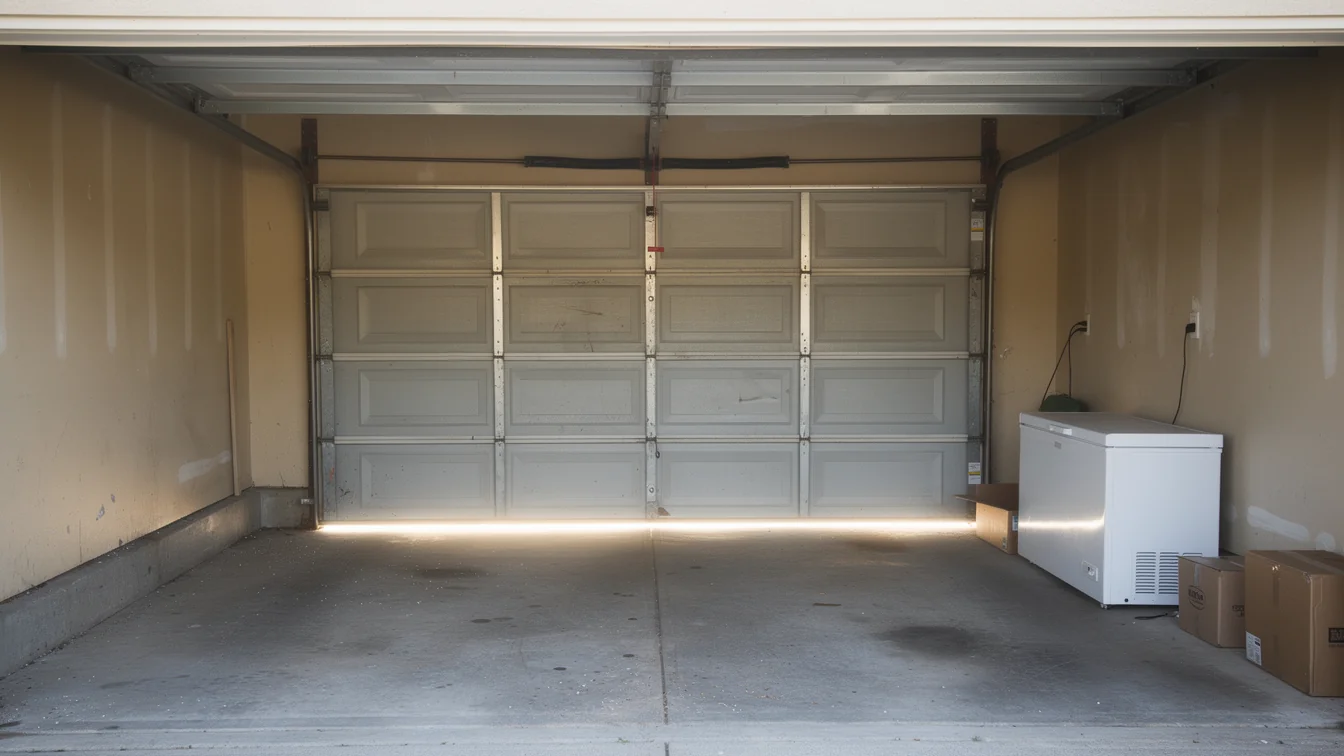
Most of what you read online about garage doors is written for a national audience, and it doesn't hold up once you look at what's actually on the ground here. Housing across this service area was built mostly between 1957 and 1989, with the median landing around 1974, and that's true whether you're in Gloverville, Graniteville, or closer in toward Aiken itself. The ten named areas we work in all share the same bones: 1960s and 70s construction, original openings, original header heights. A lot of the advice floating around assumes a door installed in the last ten or fifteen years, with modern spring sizing and a steel jamb built to current code. That's not what's hanging in most of these garages. If you're troubleshooting a noisy door or a sagging panel using a guide written for a newer subdivision somewhere else, you're going to miss the actual problem, which is usually that the hardware predates the fix you're trying.
When It Stops Being a DIY Job
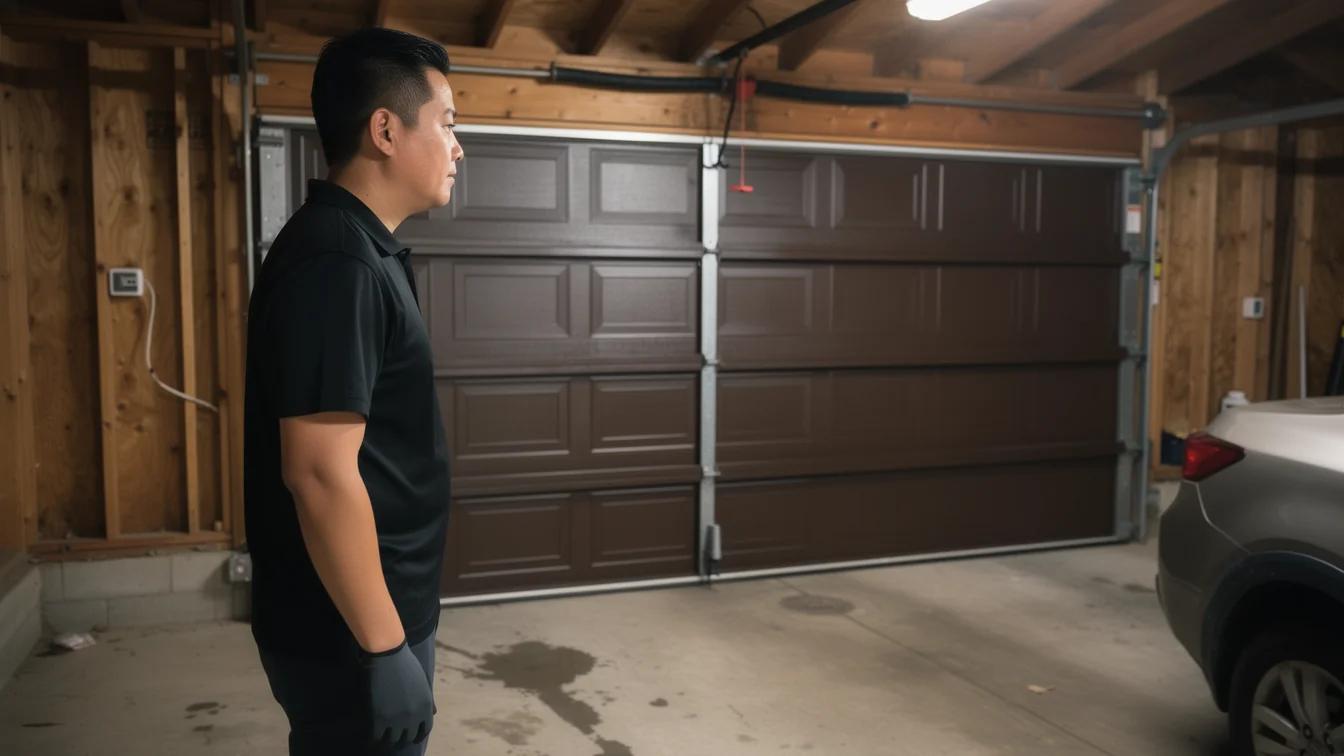
A door from the 1974 median build year wasn't engineered with today's spring cycle counts or safety cable standards in mind. On a lot of these original installs, the torsion spring is sized for the door as it shipped, not for whatever insulated replacement panel got swapped in along the way, and that mismatch is where people get hurt. If you're working on a door that's been in the opening since the house was built, or close to it, and you don't know the spring's wind direction or cable routing, that's the line. Tightening a loose roller bracket or lubricating a track is fine to do yourself. Pulling a winding bar on a 50-year-old torsion spring, on a door you can't verify was ever re-sprung to spec, is not. We also won't pretend every job is a quick fix - some of the oldest panel sizes in this area aren't something we carry on the truck, and getting a replacement means a special order, which takes time.
The Situation
Across this service area there are roughly 20,921 households, with 11,577 of those in owner-occupied houses - the kind of houses where a garage door failure is the homeowner's problem to solve, not a landlord's. Median household income sits around $51,180, which shapes a lot of the calls we get: people want the door fixed right, but they also want to know honestly whether a repair or a full replacement makes more sense before committing. We cover ten named communities out from Aiken - Gloverville and Graniteville at about 5 miles, New Ellenton and Burnettown at 8, Clearwater at 11, Belvedere at 12, North Augusta at 13, Jackson at 14, Trenton at 16, and Williston out at 20. The housing stock doesn't change much across that spread - it's almost all 1960s and 70s construction - but the drive times do, and that matters when a spring breaks on a Saturday and you want someone who already knows what's likely behind that door.
What the Weather Here Does to It
This area sits in a mild climate band with occasional freeze, which is gentler on garage door hardware than a true freeze-thaw region, but it's not nothing. Steel tracks and torsion springs built in the 1960s and 70s weren't coated the way current hardware is, and decades of humidity swings plus the occasional hard freeze night will work rust into an old spring coil or a track bracket faster than people expect from a place that doesn't get real winters. The bigger issue is usually the door panel itself - original doors on houses from this era weren't built with the insulation standards that came later, so on the coldest nights the metal contracts enough to throw off alignment on tracks that were already a little worn. It's rarely dramatic. It shows up as a door that binds on one side in January and runs fine again by March, which is exactly the kind of slow wear that gets ignored until a cable finally lets go.
Questions
Common questions
My garage door is original to the house - is that a problem?
Not automatically, but a door original to a house built in the 1960s or 70s has decades of wear on hardware that wasn't designed for today's cycle counts. Springs, cables, and rollers all have a service life. If nothing's ever been replaced, you're due for an inspection, even if the door still looks like it opens fine.
Does the mild climate here mean I don't need to worry about rust?
It helps, since this area doesn't see the hard freeze-thaw cycles that chew through hardware elsewhere, but it's not freeze-proof. Older uncoated springs and track brackets from 1960s and 70s builds still pick up rust over time, especially with humidity. It's slower here than in harsher climates, not absent.
Can you get parts for a door this old?
Sometimes, but not always off the truck. Some original panel sizes and hardware from houses built in this era are special order, which takes time to get in. We'll tell you up front if your door falls into that category rather than guess.
Recommendation
You Might Also Like
More garage door guides for Aiken homeowners.
The Noises That Mean Something, House by House
Most Aiken houses were built between 1957 and 1989.
Read guide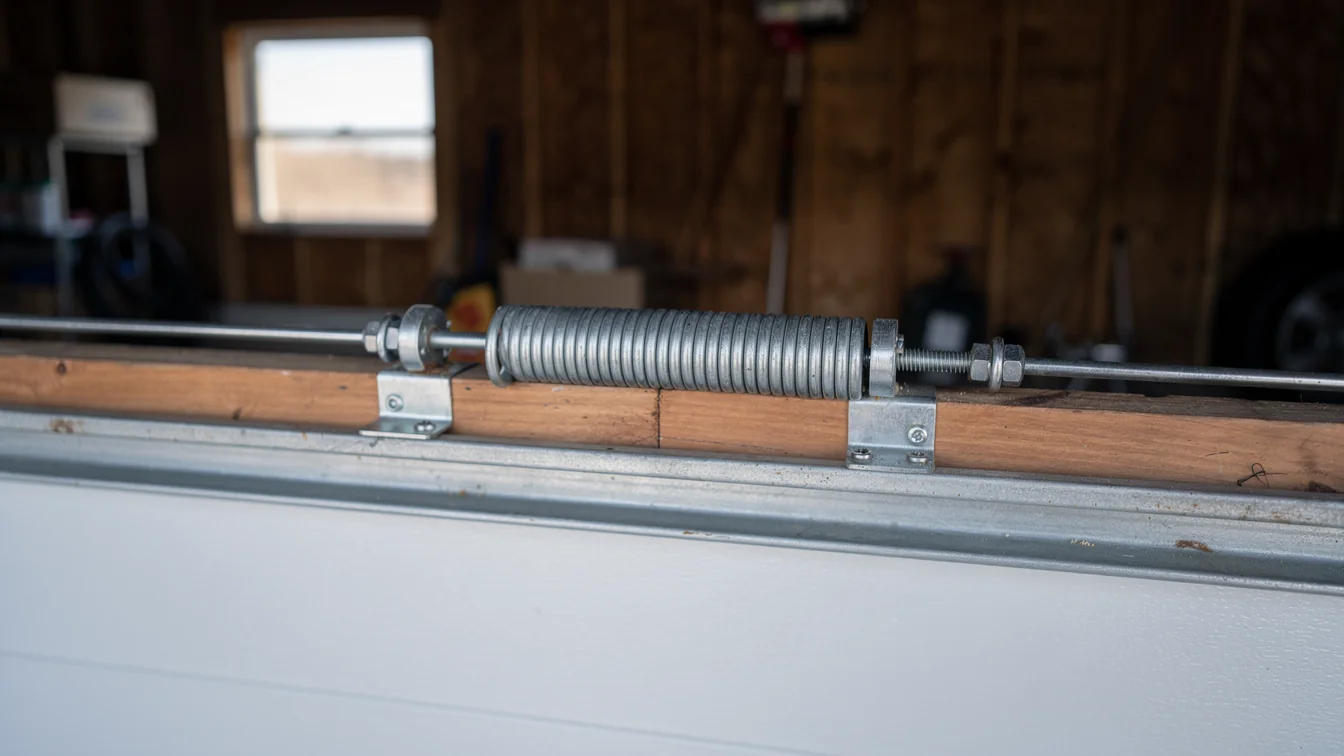
Why Aiken's Older Doors Need a Different Kind of Fix
Most Aiken homes date to the 1960s and 70s, built with original torsion hardware that wasn't sized for today's openers or cold-snap spring failures here.
Read guide
What We Actually Check When We Come to Your Door in Aiken
A breakdown of what a real service call checks on Aiken's 1960s-70s housing stock, from spring tension to track wear in the area's mild, humid climate.
Read guideReady when you are
Need a garage door sorted in Aiken?
Aiken Garage Door Pros repairs and installs garage doors, springs and openers in Aiken, SC and the surrounding area.