
Blog
The Noises That Mean Something, House by House
Most Aiken houses were built between 1957 and 1989. Here's what that era's hardware sounds like when it's failing, and what the mild, occasional-freeze climate adds to it.
What Most People Get Wrong
Most people treat every garage door sound the same way: ignore it until the door won't open. That works less well here than it used to, because the housing stock across Aiken and the surrounding areas - Gloverville, Graniteville, New Ellenton, Burnettown, and the rest within about 20 miles - mostly went up between 1957 and 1989, with a lot of it clustered in the 1960s and 70s. That means the hardware on a huge share of these doors is original or one or two replacements deep, and it's aging in a pattern, not randomly.
A grinding noise on a door from a 1974-built house usually points to a roller that was never sealed or lubricated correctly for the track style common to that era. A rhythmic thump, once per rotation, on that same door is more likely a flat spot on a roller than a spring problem. People hear "noise" and think "spring," and call about the wrong part, or worse, order the wrong part and then call a second time. The fix starts with knowing which decade built your door, not with a generic checklist that would apply to a house in any town.
The honest limit here: we can tell you a lot from the sound and the build year, but we can't diagnose a specific door over the phone with certainty. Some of this needs eyes on the track.
When It Stops Being a DIY Job
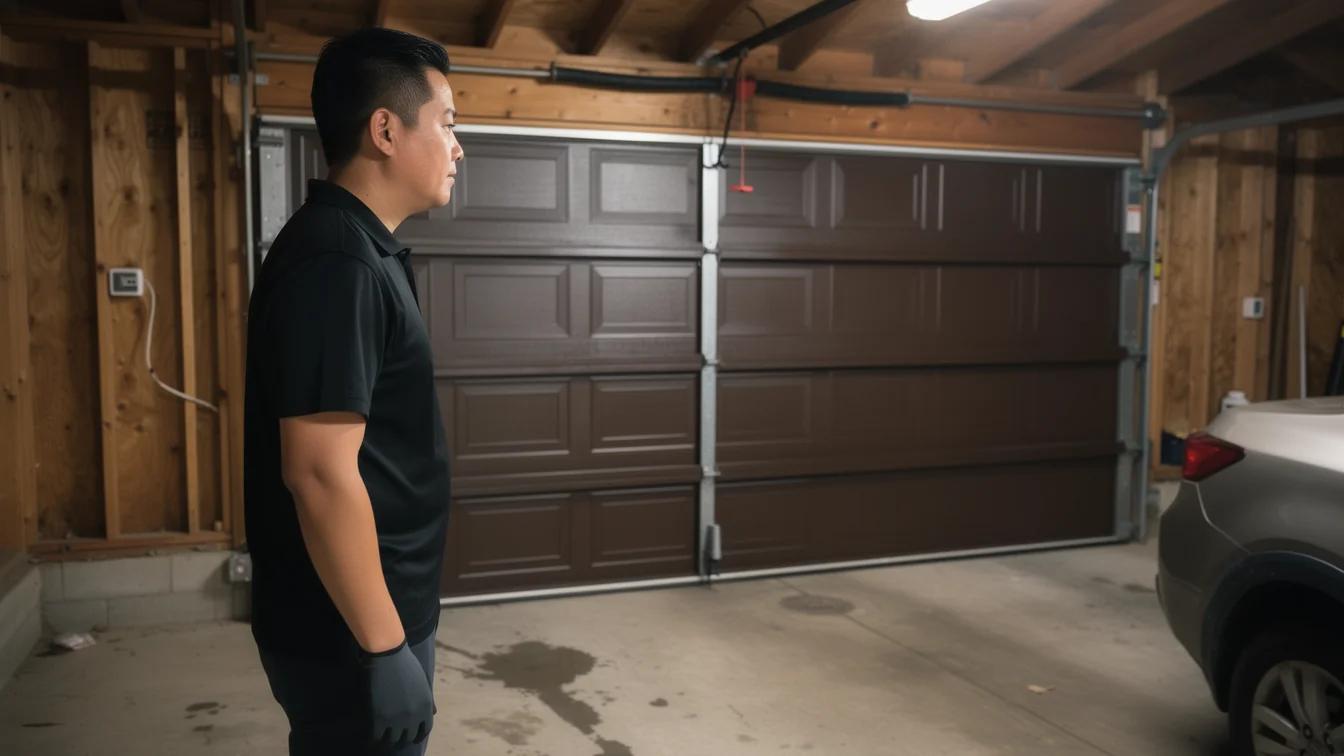
A squeak you can fix with a can of lubricant. A loud bang followed by the door refusing to move is a torsion spring letting go, and on the double-door torsion setups common in houses built through the 1960s-70s stretch of this area, that's not a tighten-a-bolt fix - the spring is under enough stored tension to do real damage if you don't know the wind count and bar size for that specific unit.
If the noise is a steady scraping as the door travels, and the house is one of the older builds from the 1957-1989 range, check whether the track has pulled away from the frame before you touch anything electrical. Older framing in this area wasn't always set up for the heavier insulated doors a lot of owners have since added, and a track that's slowly separating sounds like a roller problem for weeks before it becomes a door-off-the-track problem in one afternoon.
Once you hear metal flexing, or the door moves unevenly side to side, that's the line. Past that point you're not maintaining a door, you're gambling on when a cable or spring fails completely, and on a door from this housing stock, that hardware has usually had thirty-plus years to work toward exactly that.
The Situation
Across the service area - Aiken, Gloverville, Graniteville, New Ellenton, Burnettown, Clearwater, Belvedere, North Augusta, Jackson, Trenton, and Williston, spanning roughly 5 to 20 miles out - there are about 20,921 households and 11,577 owner-occupied houses. That's a lot of doors built to the same handful of specs during the same thirty-year window, which is why the same three or four noise complaints show up over and over instead of something new every call.
Median household income across the area sits at $51,180. That number matters for one practical reason: on an older door, the choice is usually between a $150-ish repair and a full replacement running well into four figures, and most owners here are making that call against a real budget, not an unlimited one. We'd rather tell you honestly when a repair buys you several more good years versus when you're pouring money into a door that's going to need the next part in six months anyway.
What the Weather Here Does to It
This area sits in a mild climate band with occasional freeze, not the deep-freeze cycling that cracks steel and gums up grease in harsher regions. That's good news for the doors here in one way - you're not fighting ice-locked tracks most winters - but it also means a lot of owners never develop the habit of checking hardware before a cold snap, because most years there's nothing to force the issue.
The noise that shows up here is different from a cold-state noise. It's less
Questions
Common questions
My garage door makes a loud bang and now won't open at all. What happened?
That's almost always a torsion spring breaking, especially on double doors common in the 1960s-70s housing stock around Aiken. The spring snaps under tension and the door loses the lift it needs. Don't try to force the door open or closed - call for a spring replacement rather than attempting it yourself.
Is a squeaking garage door an emergency?
No, usually not. Squeaking is typically a dry roller or hinge and is one of the few noises you can address yourself with the right lubricant. It becomes urgent only if the squeak turns into grinding, scraping against the frame, or the door starts moving unevenly.
Why does my older Aiken-area house have a different garage door problem than a newer one would?
Houses here mostly date from 1957 to 1989, with a lot clustered in the 1960s and 70s. That hardware has had decades to wear, and a lot of it is original or on its second set of parts, so the failure patterns (worn rollers, aging torsion springs, tracks that have drifted from the frame) are specific to that age bracket.
Recommendation
You Might Also Like
More garage door guides for Aiken homeowners.
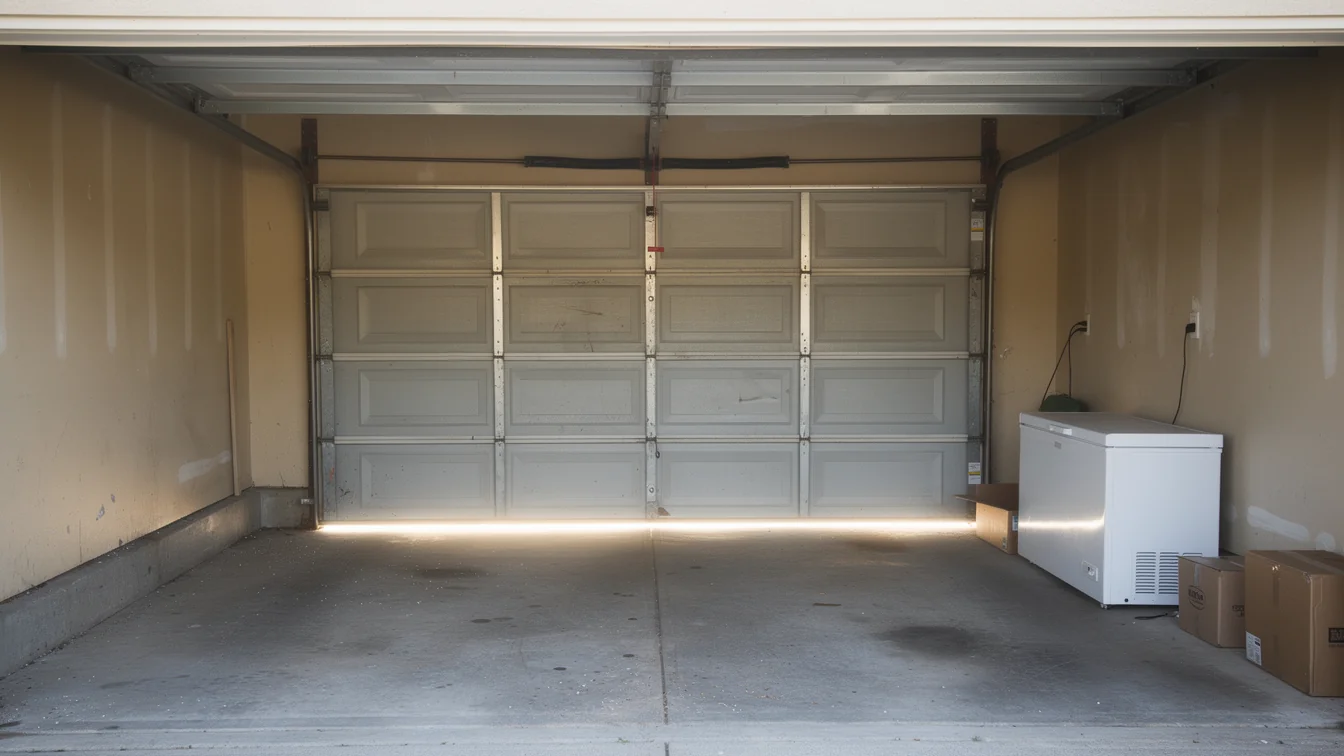
What Aiken's 1960s and 70s Housing Means for Your Garage Door
Aiken homes built between 1957 and 1989 often run original torsion hardware.
Read guide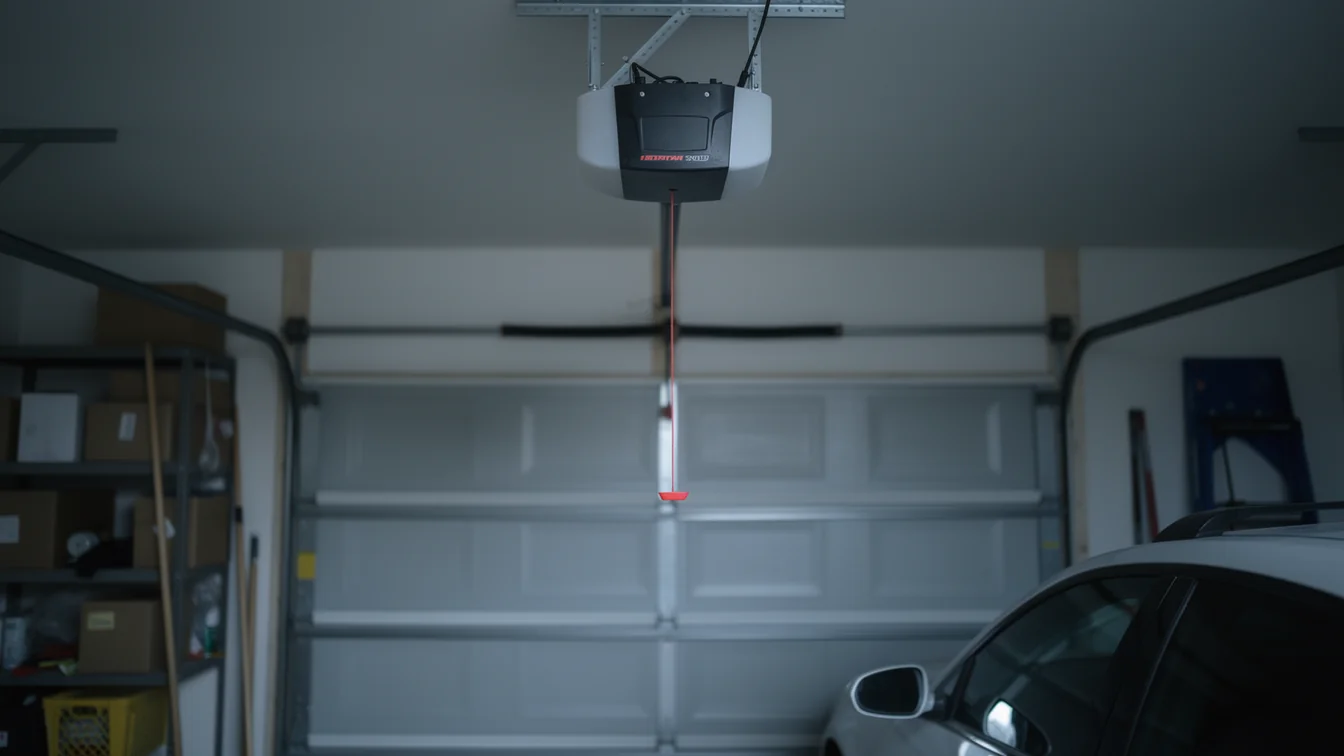
Why Aiken's Older Openers Fail When the Power Hiccups
Most Aiken houses got their garage door opener installed decades after the house itself.
Read guide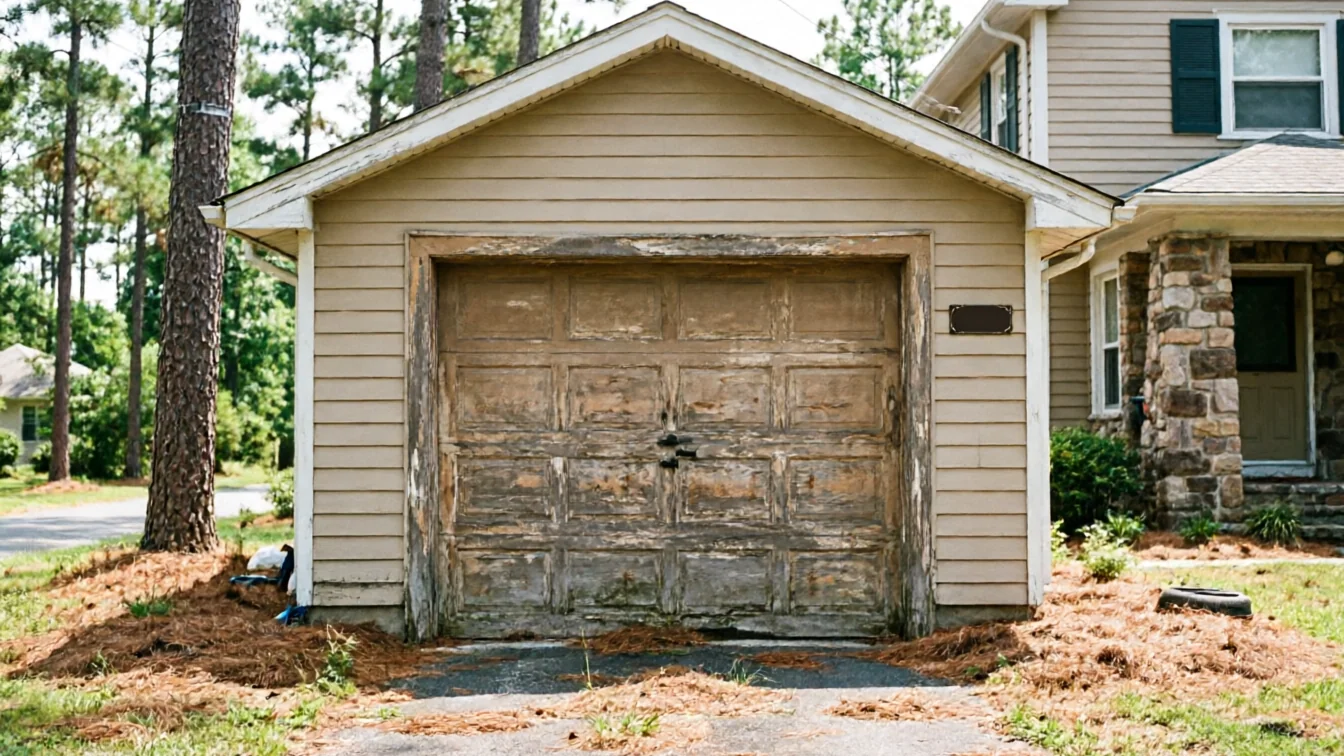
Repair or Replace: Older Garage Doors Around Aiken
A look at when a 1960s or 70s Aiken garage door is worth repairing versus replacing, based on the area's housing age and mild climate with occasional freeze.
Read guideReady when you are
Need a garage door sorted in Aiken?
Aiken Garage Door Pros repairs and installs garage doors, springs and openers in Aiken, SC and the surrounding area.