Extension to torsion conversion
That eight-year gap matters on a garage door: it's the difference between a door still running on its original extension-spring hardware and one that's already been through a torsion conversion.
Graniteville, Aiken SC
Garage door repair for Graniteville, SC, where most houses date to the mid-1960s; Aiken Garage Door Pros travels in from 5 miles away not from a local branch.
What we do here
Common jobs
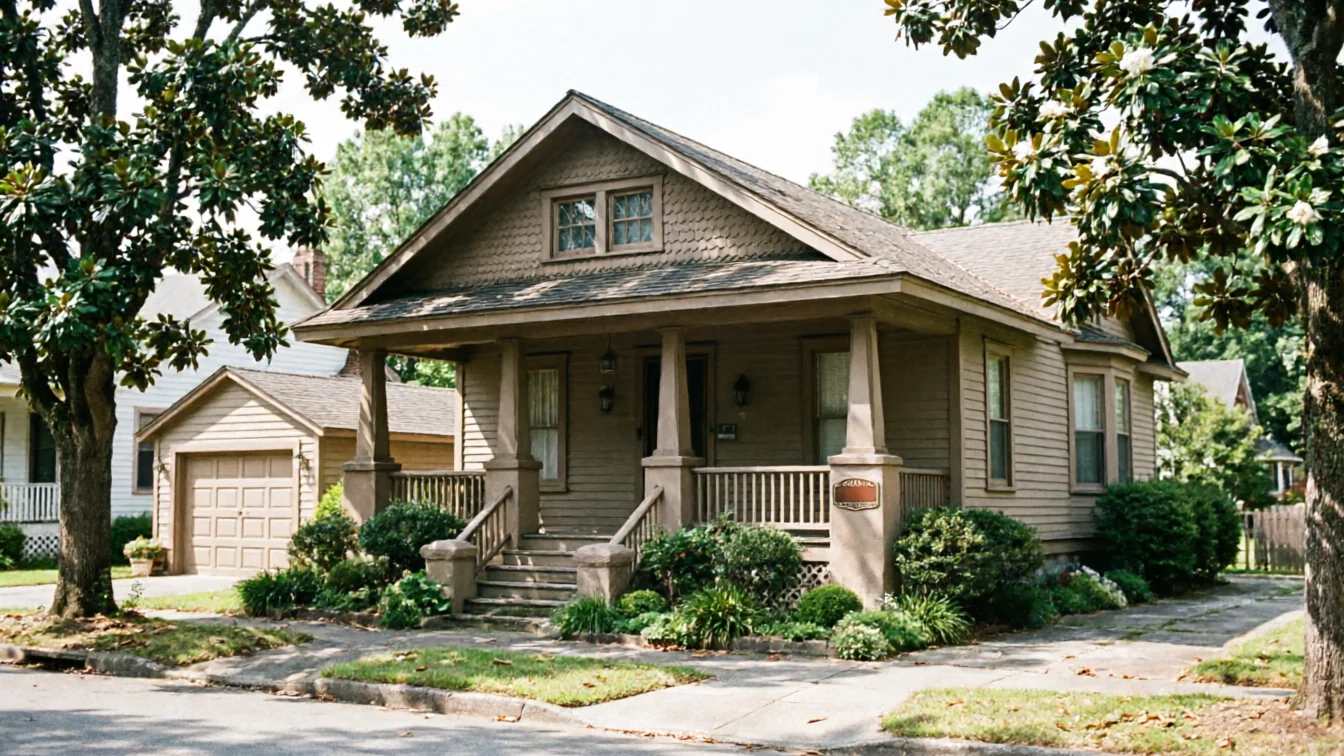
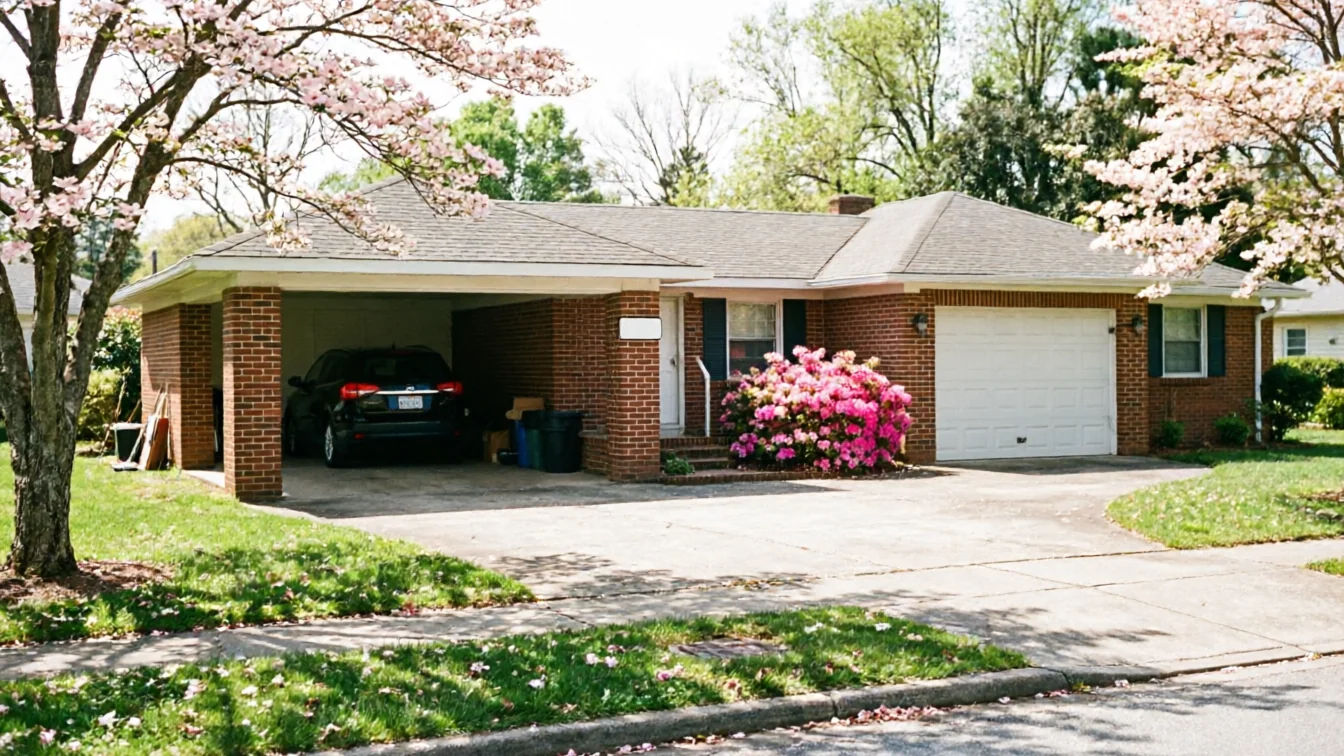
Houses in Graniteville tend to run older than the rest of the service area. The median build year here sits around 1966, while homes built across the wider Aiken coverage area skew toward the mid-1970s.
That eight-year gap matters on a garage door: it's the difference between a door still running on its original extension-spring hardware and one that's already been through a torsion conversion.
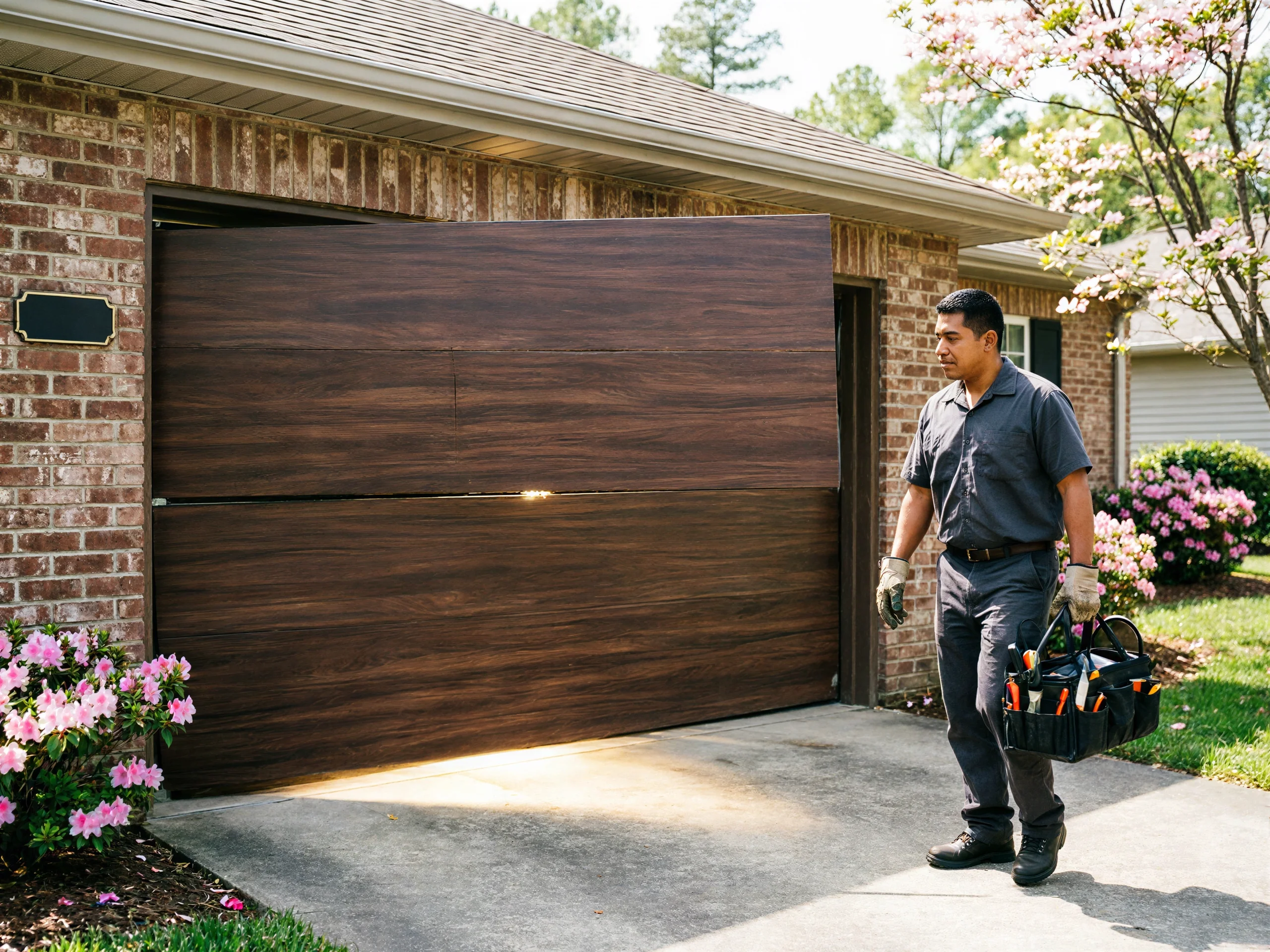
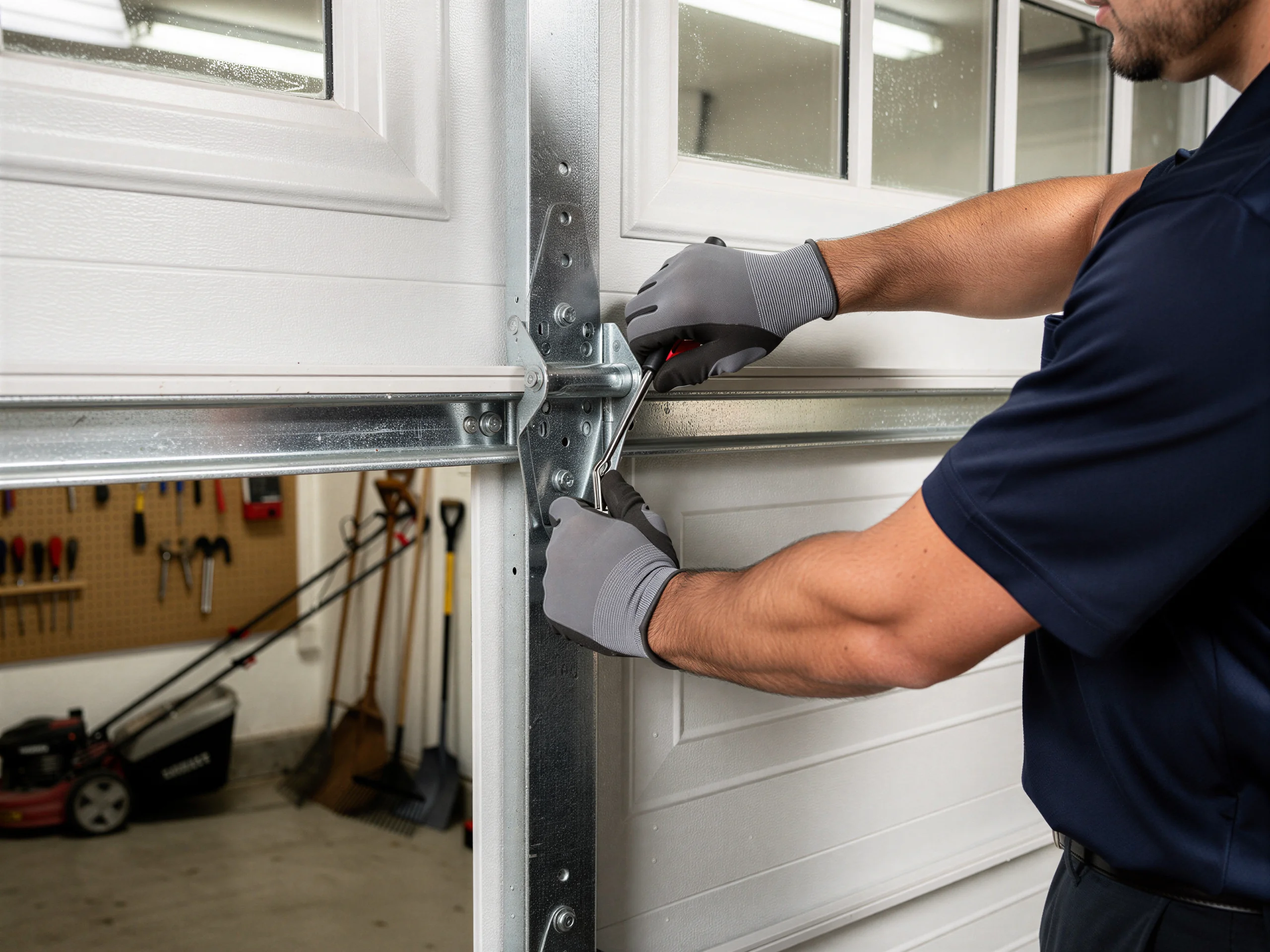
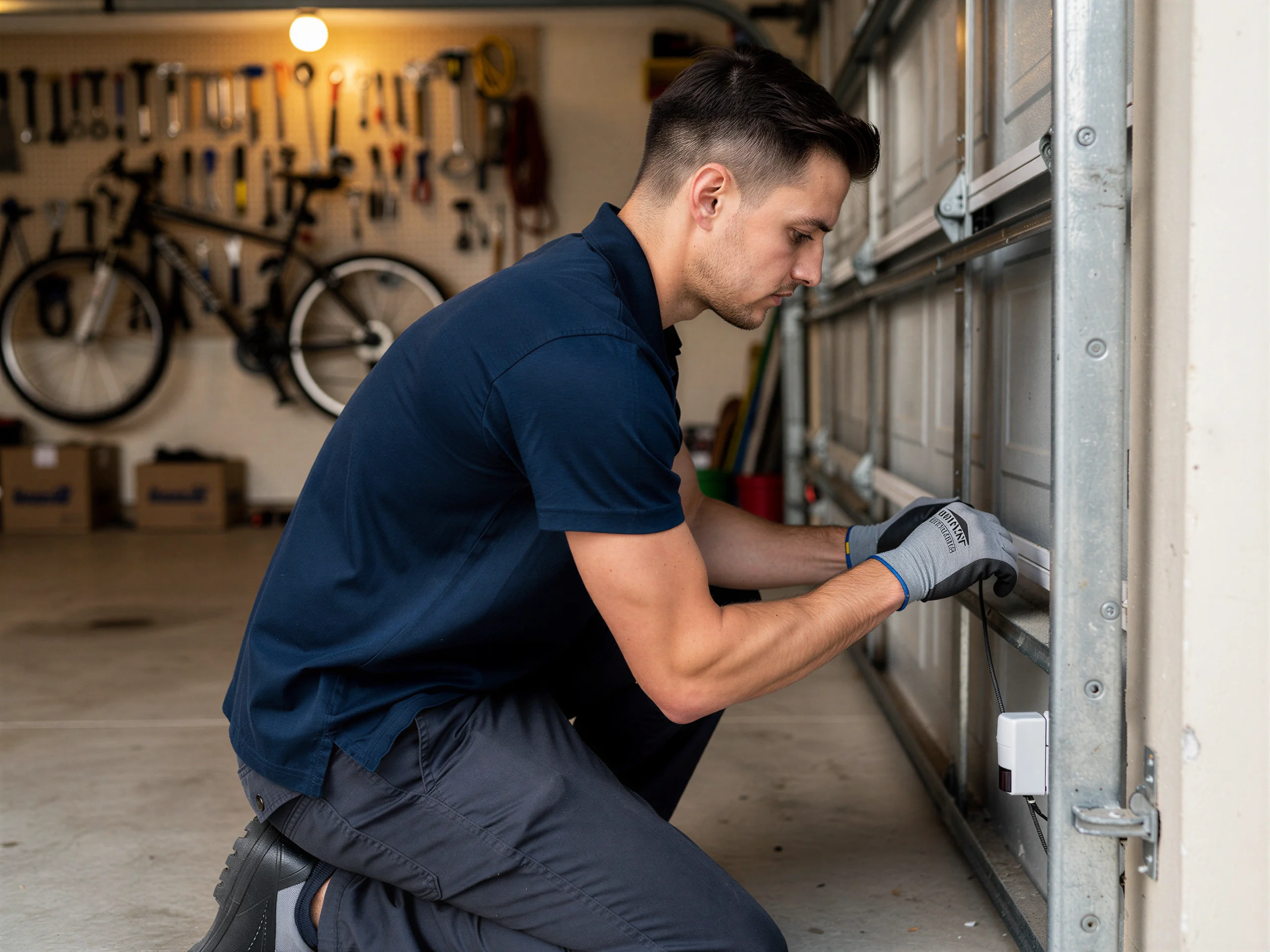
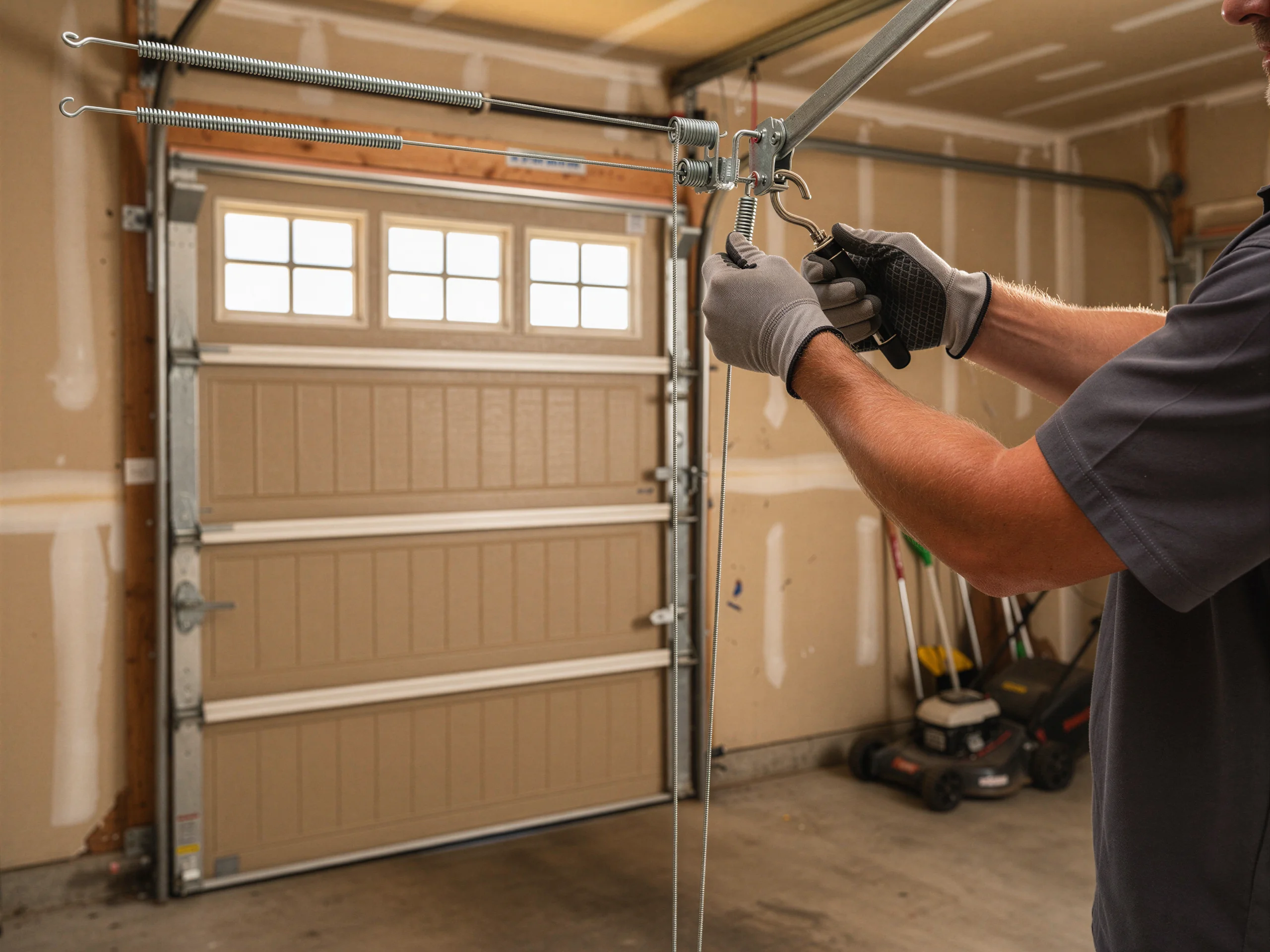
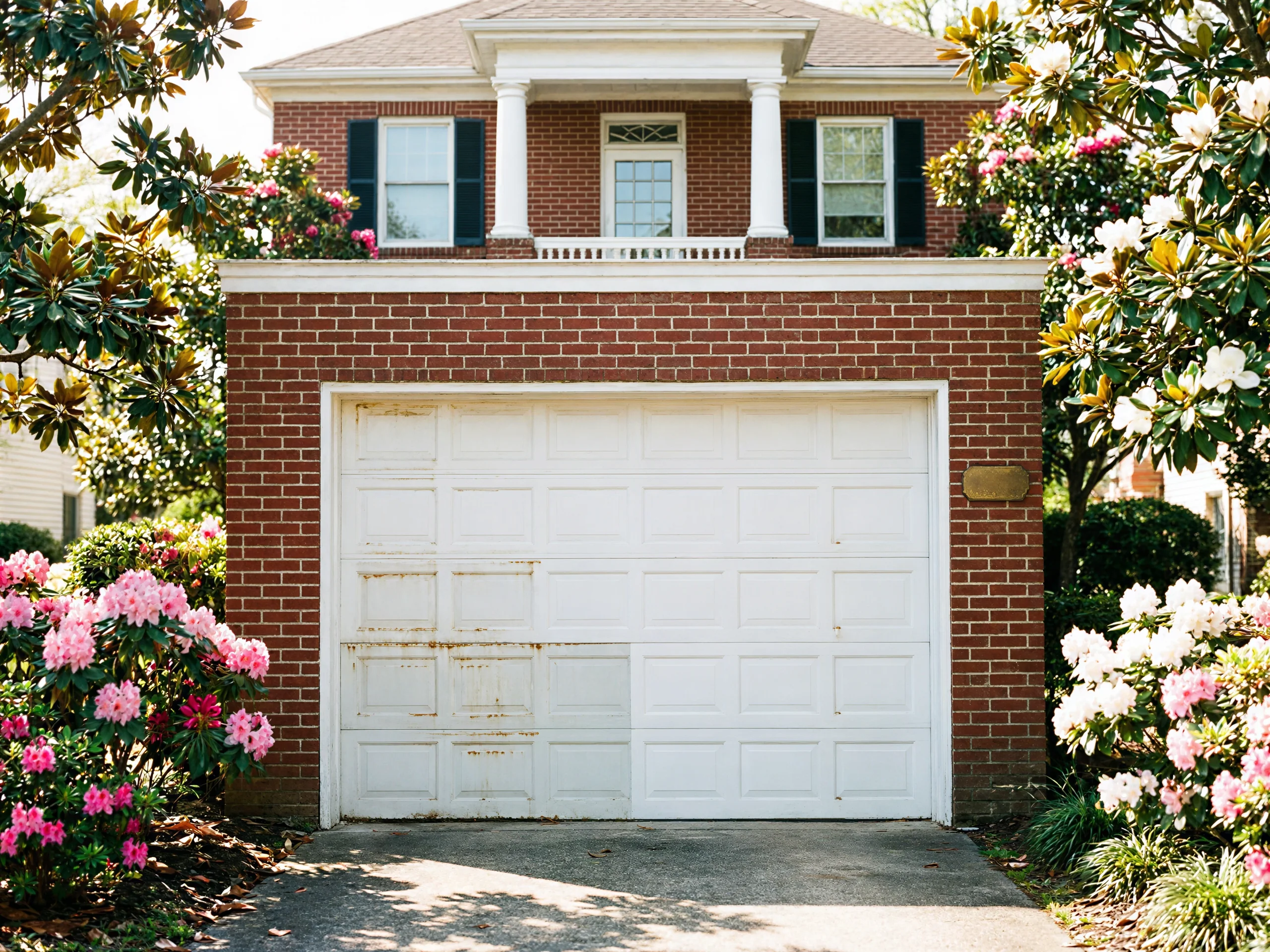
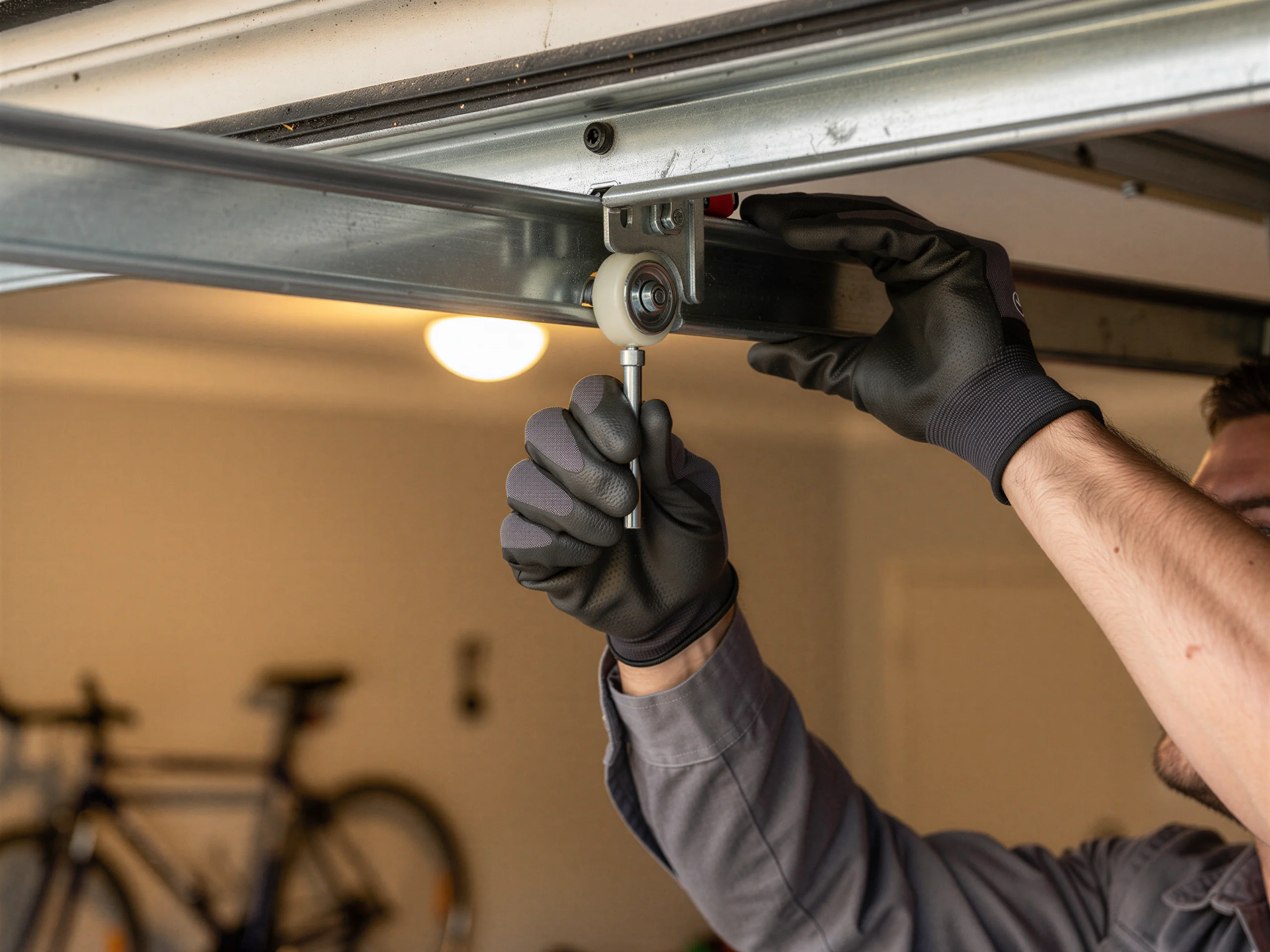
On the 866 households we track in Graniteville, the most common call is a worn or snapped extension spring on a door that's never been upgraded - the cable-and-pulley style setup that was standard before torsion springs took over new construction. Second most common: a steel sectional door with rollers that have worn their tracks oval after five-plus decades of daily use, especially on doors opened multiple times a day.
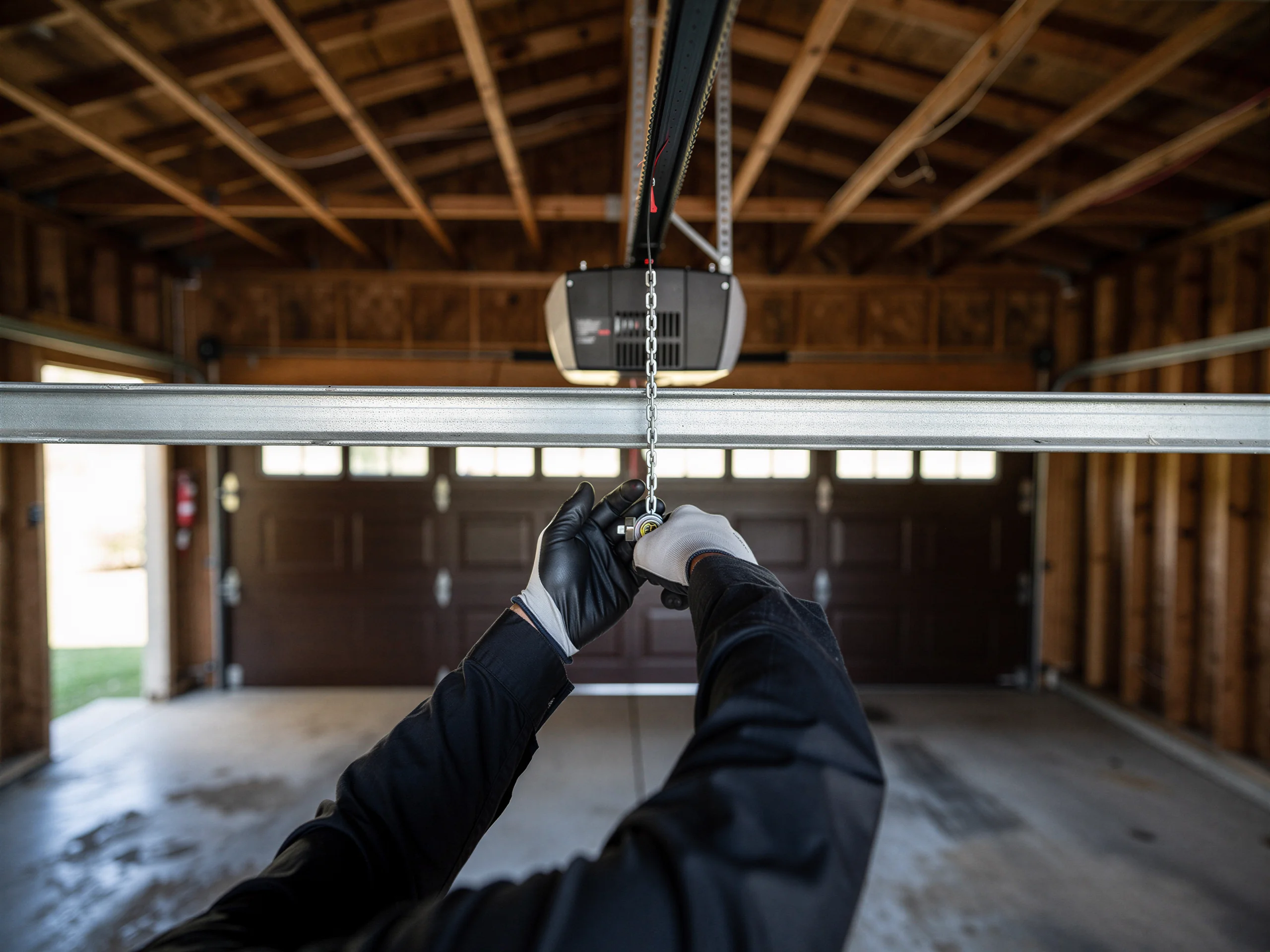
We also see openers that were added as a retrofit sometime after the house was built, since garage door openers weren't stock equipment on most mid-1960s construction. That means wiring and mounting that doesn't always match what a new opener expects, and a bracket that needs reinforcing before a new unit goes up safely.
Warning signs
A door built to 1966 standards and a door built to 1989 standards are not the same machine, even if both look like a plain steel sectional from the street.
The older stock here typically used two-inch sectional panels on lighter gauge track, which flexes more over time and lets rollers walk out of alignment faster than heavier, newer track does. Pair that with this area's mild climate with occasional freeze - not the brutal freeze-thaw cycling you'd get further north, but enough cold snaps each winter to stiffen grease on old bearings and make a marginal spring work harder than it should.
That combination is why so many Graniteville calls start as 'the door is loud' and end as 'the spring is about to go. Extension springs on this era of door also sit exposed along the horizontal track, unlike torsion springs mounted on a shaft above the opening, so rust and wear are visible if you know where to look - flaking on the coils, a sag in the spring length from its original factory position.
On houses where the opener was retrofitted later, we also check the attachment to the top panel, since original 1960s panels weren't engineered for opener force the way doors built after torsion and opener standards caught up in the 1970s and 80s were.
Our limits
We don't keep a depot in Graniteville. Every job here starts with a truck from Aiken, five miles up the road, so we're not the shop that happens to be around the corner the way a business based in town would be - plan for a short drive time on the quote, not a walk-in.
We also won't tell you a new door is the answer when a spring job will do it; on a lot of this 1960s stock the panels are still sound and the fix is a spring and a roller set, not a full replacement.
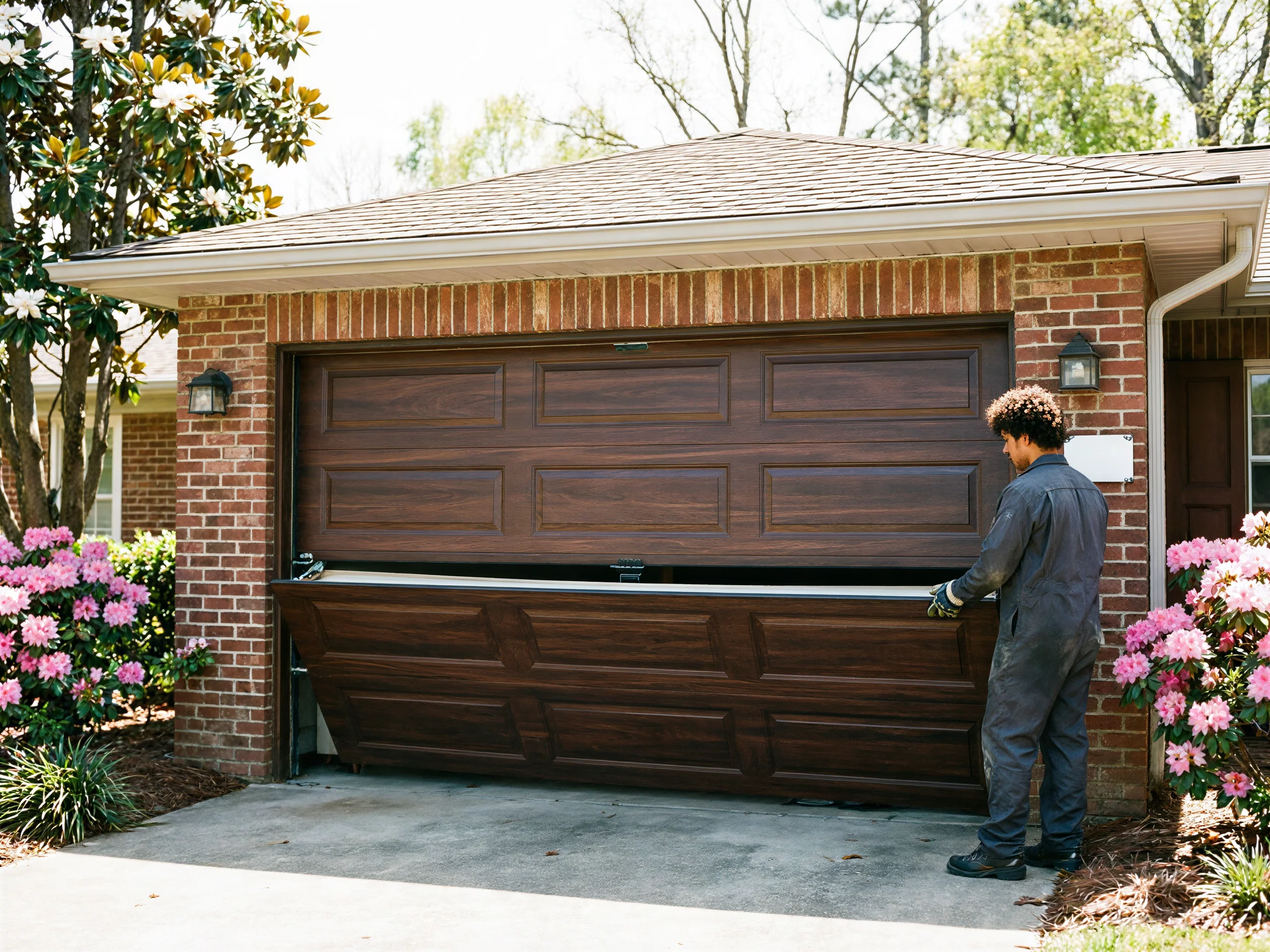
The reverse is also true - if the track is bent past straightening or the panels have rusted through at the bottom, we'll say so instead of patching something that'll be back in your driveway in six months.
One real limitation: some original panel sizes from this era aren't something we carry on the truck, and a match for an odd or obsolete width may need to be ordered rather than installed same visit.
Local housing
Graniteville's numbers run below the rest of the service area on a few measures that matter for a garage door decision. Median household income here is around $29,495, well under the $51,180 median for the full coverage area, and the town's 866 households are a small slice of the roughly 20,921 households and 11,577 owner-occupied houses across the territory as a whole. That gap is part of why repair, not replacement, is the right call on more jobs here than elsewhere - a spring and roller job runs a fraction of a new door, and on houses built around 1966 the frame and track are often still in good enough shape to carry another decade of service once the worn parts are swapped. It's also why we try to be straight about what's actually broken before quoting a full door. The building stock across this part of the service area runs mostly 1960s and 70s across the ten named communities we cover, and Graniteville sits on the older end of that range - which, in practice, means more extension-spring jobs and fewer torsion conversions than you'd find on newer streets closer to Aiken itself.
Service areas
Questions
No. We run out of Aiken, about five miles away, and send a truck out for every Graniteville job. There's no local branch here, so build a short drive time into your expectations rather than expecting a walk-in storefront nearby.
Most houses here date to around 1966, which usually means an original steel sectional door on extension-spring hardware mounted along the horizontal track, rather than the torsion-spring setups that became standard on newer construction later in the service area.
On doors this age, the spring has usually outlived its design life already, and mild winter cold snaps stiffen old grease and add extra strain on a spring that's already marginal. Once a spring starts going more than once every couple of years, it's worth replacing the whole spring rather than patching it again.
Depends what's actually failed. If the panels and track are sound, a spring and roller job is usually the right call and costs far less than a new door. If the track is bent or panels have rusted through, repair just delays a replacement you'll need anyway.
Ready when you are
Aiken Garage Door Pros repairs and installs garage doors, springs and openers in Aiken, SC and the surrounding area.