Graniteville, Aiken
Garage Door Maintenance for Graniteville's 1960s Housing Stock
Graniteville's houses date to around 1966, which means older torsion hardware and steel sectional doors. Here's what a maintenance visit actually checks, 5 miles from Aiken.
What Is on the Truck
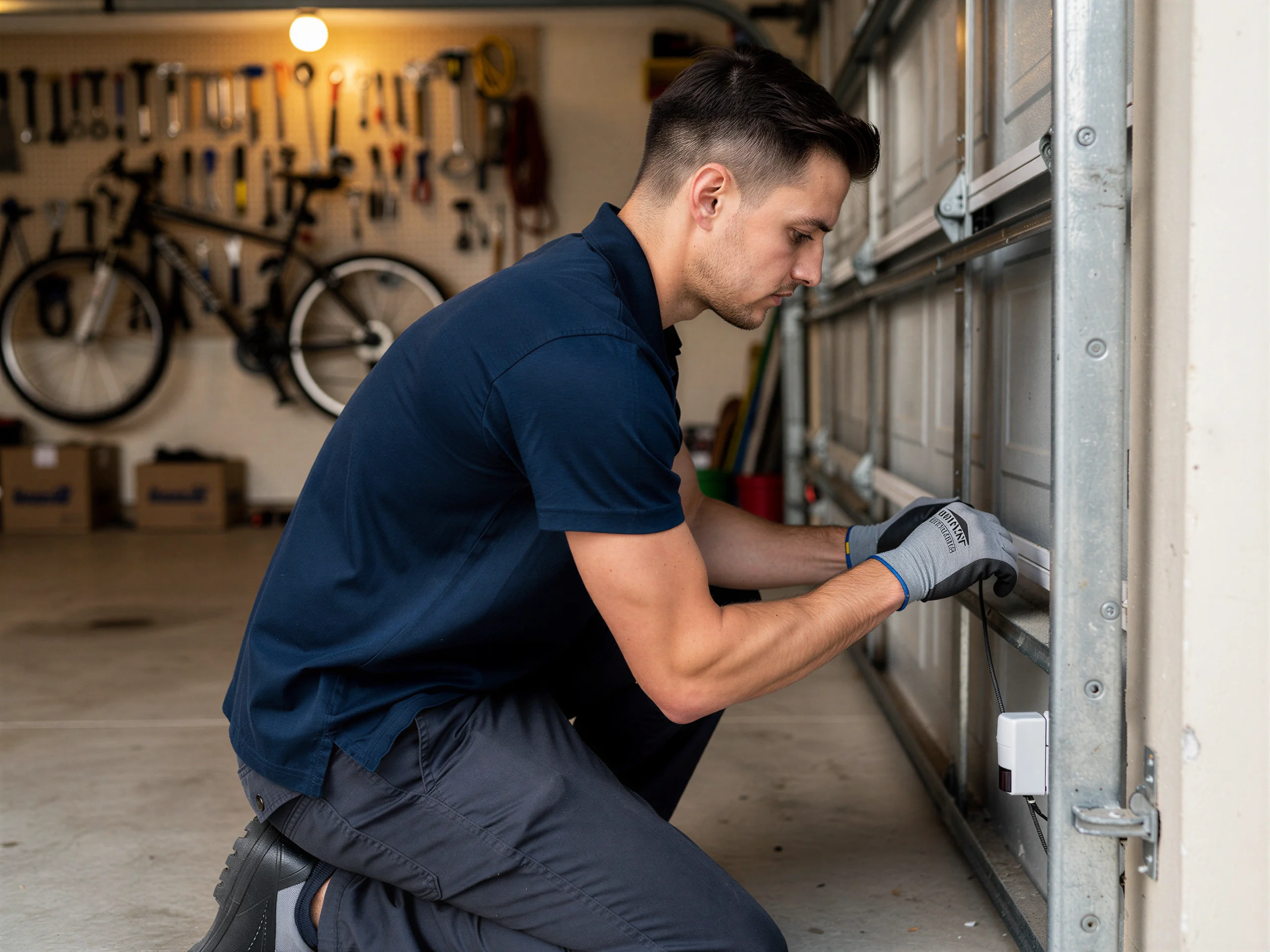
Graniteville's median year built sits around 1966, which puts most garage doors here a full decade older than what you'd find on the newer side of the Aiken service area.
Loadout for 1960s doors
That matters for what a tech loads before heading out. Doors from that era were almost always steel sectional panels on torsion springs sized for a lighter door than today's insulated models, and a lot of them have never had the springs swapped.
Lift cable and hinges
The truck carries torsion springs in the sizes that era actually used, standard-lift cable, and the steel rollers and hinges that match older track profiles - not just the newer nylon-roller kits that get stocked for post-2000 construction.
Cold snap lubricant grade
We also bring lubricant rated for the mild-with-some-freeze swings this part of the state gets, since the wrong grease gums up in a cold snap and attracts grit the rest of the year. If a part on your door is nonstandard or long discontinued, that's a real limitation - we'll tell you straight if a repair means sourcing something or if replacement is the honest answer.
What You Pay
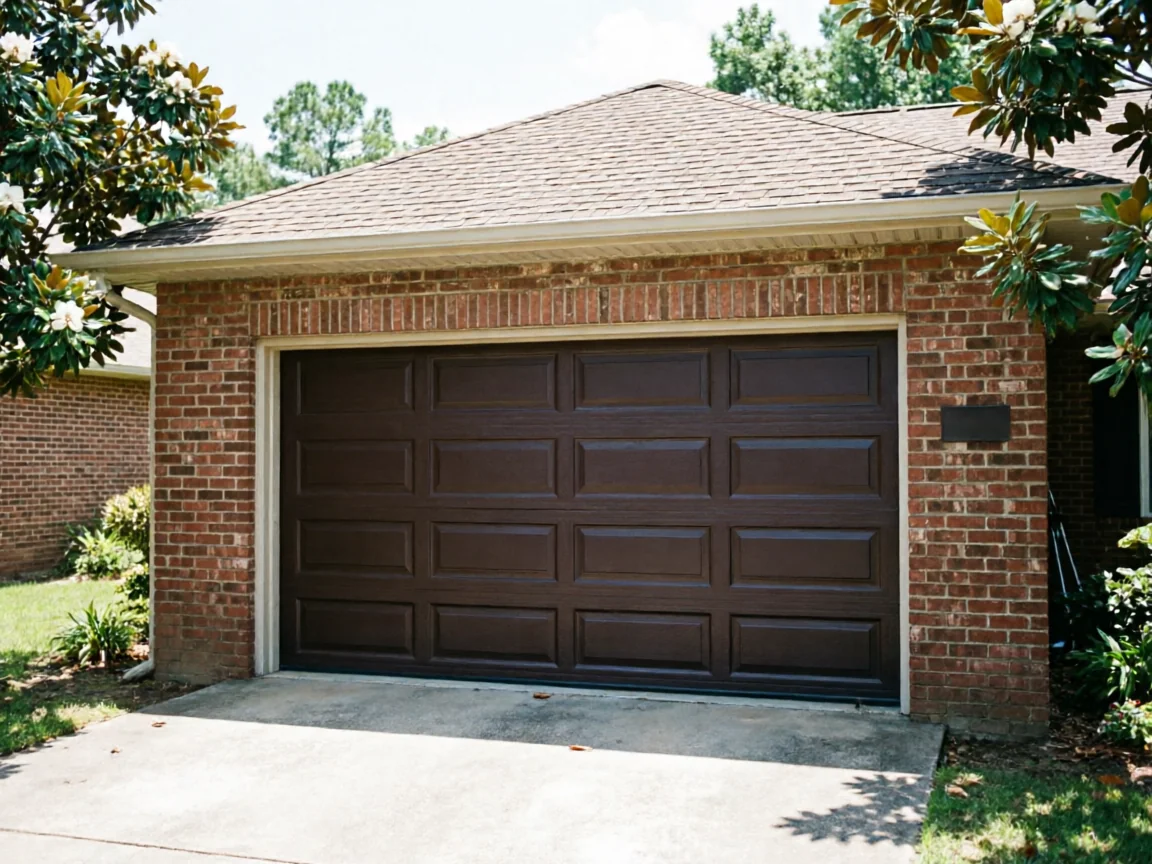
Graniteville's median household income runs well below the broader Aiken service area - about $29,495 against $51,180 for the full area we cover. That's not a discount we advertise; it's context for why we don't push an annual plan or a long parts list on every visit. A maintenance call here is built to catch what actually fails on a 1960s door: spring fatigue, dry hinges, a track pulling loose from decades of settling. We're not going to recommend a full opener swap at a maintenance appointment unless something's actually failing, and we'll say so if a repair isn't worth it compared to what a new door section costs. Pricing depends on what the door needs once we're looking at it, not a flat rate quoted sight unseen.
What the Fix Involves
On a door built around the mid-1960s, the maintenance checklist leans heavier on the spring and the track than on the opener, because a lot of these doors still run older chain-drive units or have had one replacement opener bolted onto original hardware.
Undersized springs after upgrades
We check torsion spring wind and wear first - springs from this era are often undersized for how doors have been upgraded over the years with added insulation or heavier panels.
Foundation settling shifts rails
Track alignment gets checked next, since decades of minor foundation settling (common on houses this age) shifts the vertical rails out of plumb more than people expect. Rollers and hinges get inspected for metal fatigue, not just squeak - steel rollers from this vintage wear at the stem, not just the wheel.
Flag repairs versus replacements
Cable fraying near the bottom bracket is a common find on doors that have had the same cable since the opener was first added. We tighten hardware, lubricate moving parts, and flag anything that's a repair now versus a replacement conversation for later.
Time on the Job
A straightforward maintenance visit on one of these older single or double doors usually runs well under an hour once the tech is on site. What stretches it is the parts search - when a roller or hinge style is genuinely obsolete, we may need to adapt a modern part to fit an old bracket, and that takes longer than swapping like-for-like. We're coming from Aiken, about 5 miles out, so travel isn't the long pole here; it's whatever the door itself needs once we're looking at the actual hardware.
Can You Do This Yourself
Plenty of what keeps one of these older doors running is homeowner-level work: wipe down and lubricate the track, check that the bottom seal isn't cracked from years of sun and swing-season temperature changes, and listen for new grinding or popping sounds that weren't there last season.
Off-limits torsion spring
What you shouldn't touch is the torsion spring itself - on a door this age, the spring is likely original or a mismatched replacement, and either way it's under enough tension to cause real injury if it lets go while you're adjusting it.
Cable fraying inspection
Checking cable fraying is fine to look at; replacing cable is not a weekend project. If your door is one of the many in Graniteville still running on original or near-original hardware, that's exactly the kind of system where a visual check by a homeowner is useful and a hands-on fix by a homeowner is not.
Why It Happens Here
The reason maintenance calls in Graniteville look different from calls on newer construction comes down to the build year. A door installed when the median house here went up, around 1966, was engineered for a lighter uninsulated panel and a torsion system sized to match. Over the following decades, a lot of those original doors got swapped for heavier insulated panels without anyone upsizing the spring to match - which means the spring works harder every cycle and wears faster than the door itself. Add in roughly six decades of minor foundation settling common to houses this age, and track misalignment becomes the second most common finding on a maintenance visit here. None of this is unique to one house - it's a pattern across a town where most of the housing stock landed in a narrow fifteen-year window. For the fuller picture of what we check across the wider service area, see garage door maintenance in Aiken.
Questions
Common questions
Why does my garage door spring wear out faster than my neighbor's newer one?
If your house dates to around when most of Graniteville was built, mid-1960s, your spring was likely sized for a lighter original door. If that door's been replaced with a heavier insulated panel since, the original or like-for-like replacement spring is now working harder every cycle than it was designed for, which shortens its life.
Is it worth maintaining an old garage door instead of replacing it?
Often yes. A lot of the failures on doors from this era are spring, track, and roller wear - all serviceable. Replacement only makes sense once the panel itself is damaged or the opener hardware is too far gone to adapt. We'll tell you which situation you're in rather than defaulting to either answer.
How far out is Graniteville from your base?
About 5 miles from Aiken. We don't keep a separate depot in Graniteville; techs travel out from Aiken for every call.
Can I lubricate my own garage door track?
Yes, that's a reasonable homeowner task - a light coat on the track and hinges helps, especially given the freeze-thaw swings this area gets. Leave the torsion spring alone; it's under enough tension to injure you if it releases while you're working near it.
Explore more
More Services in Graniteville
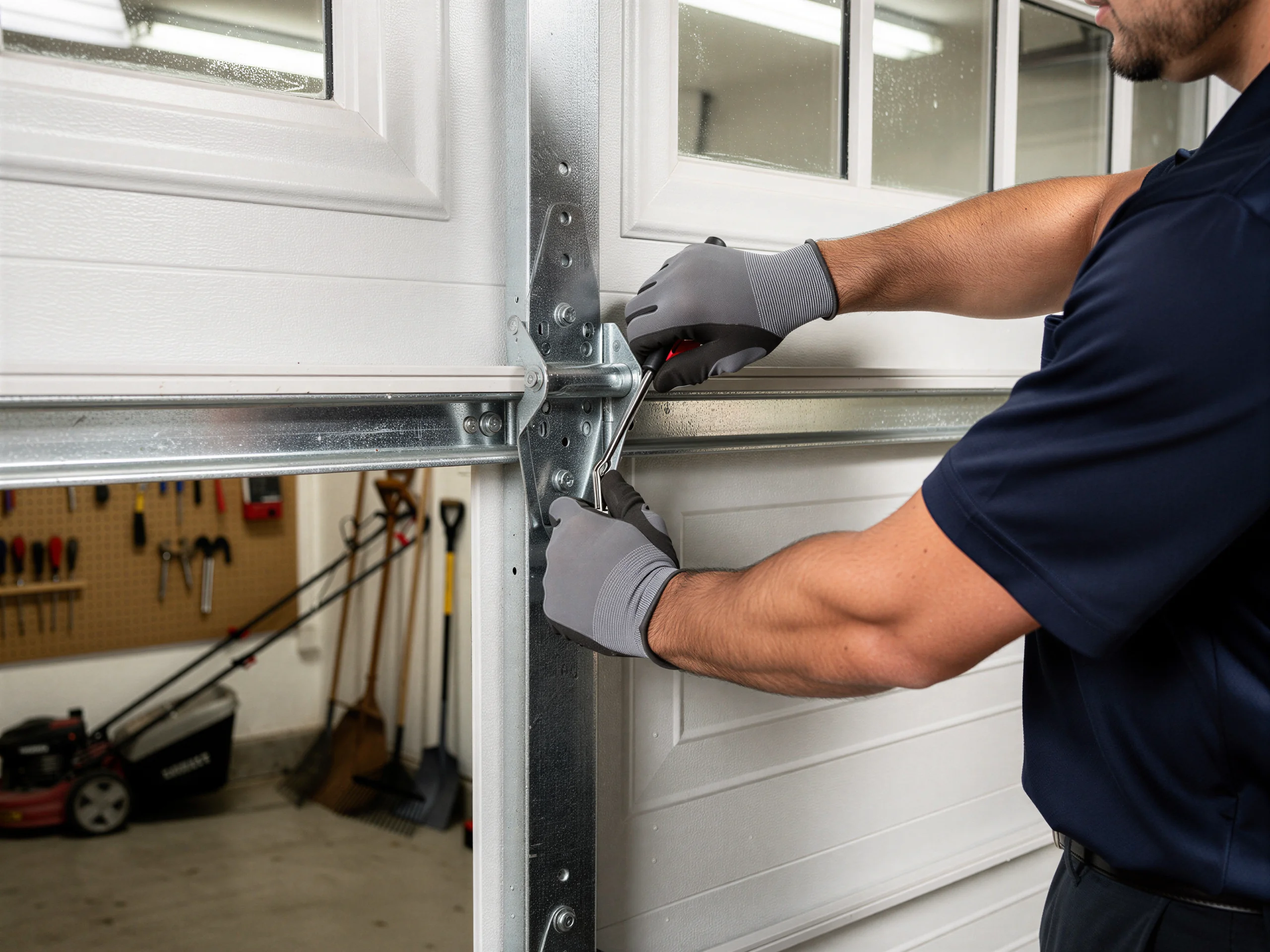
Garage Door Repair
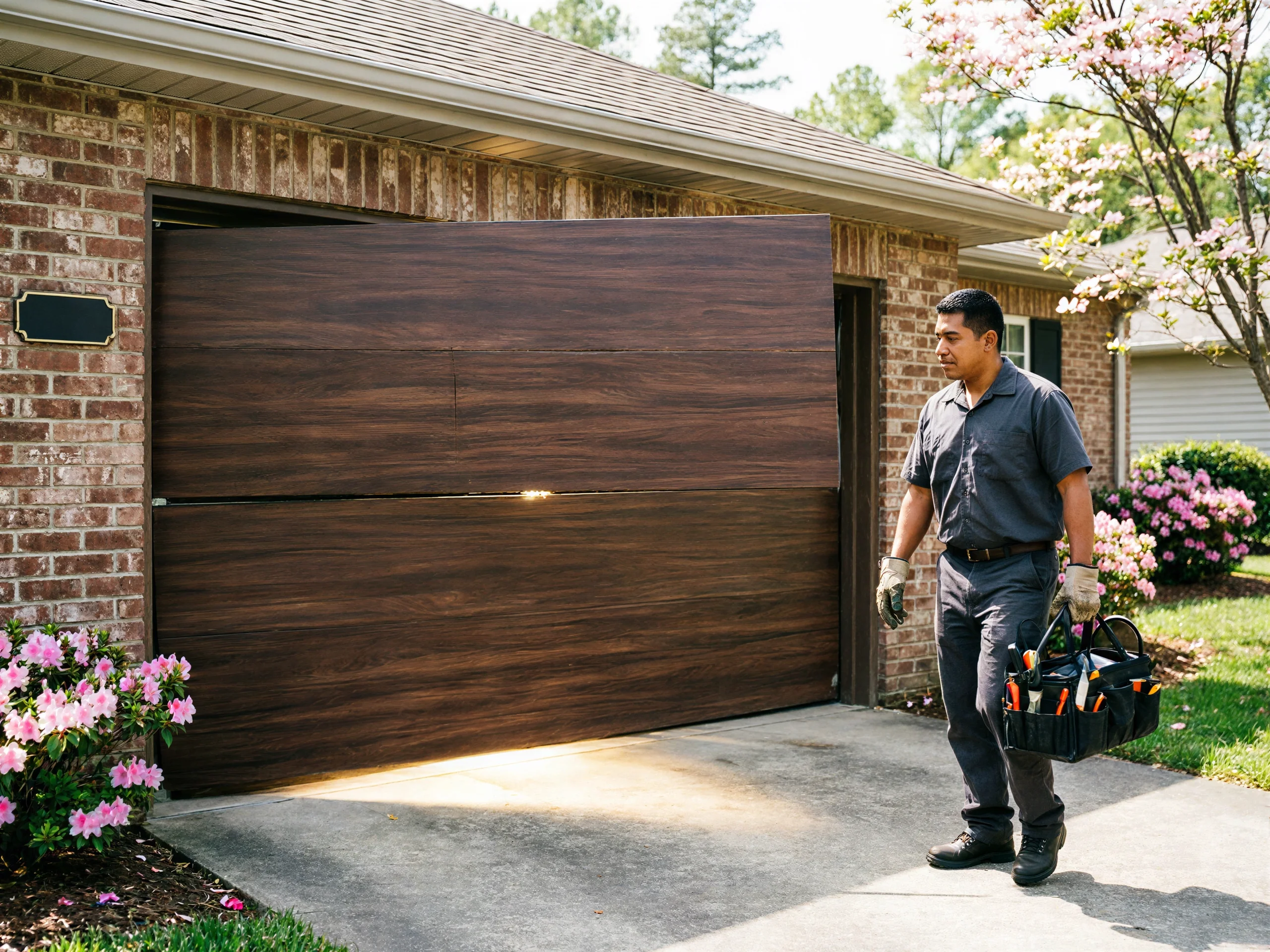
Garage door repair in Graniteville, SC, where most houses date to the mid-1960s. Learn more →
Garage Door Service
Garage door repair for Graniteville's mid-1960s housing stock, serviced from Aiken five miles out. Learn more →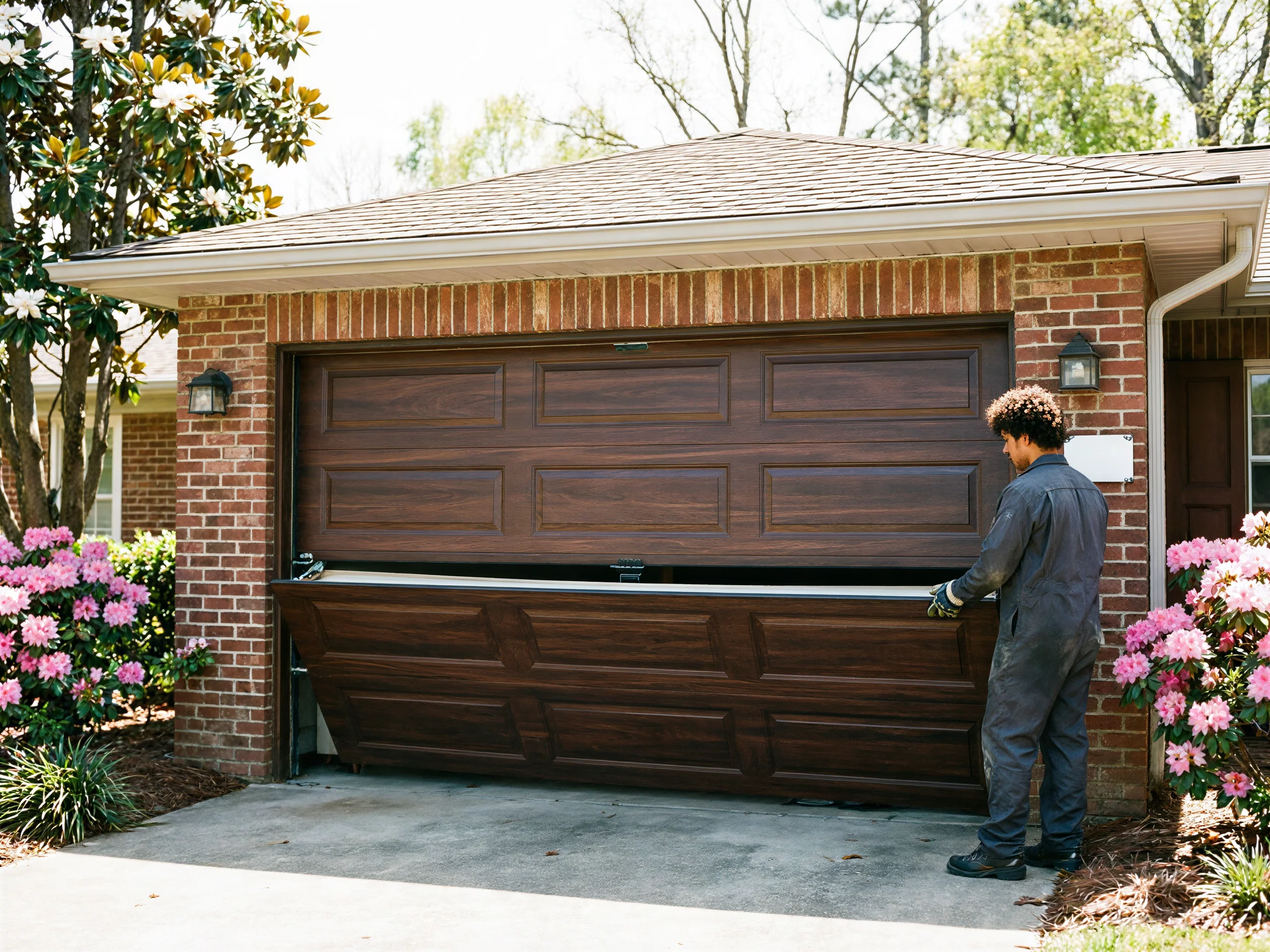
New Door Installation
Graniteville homes date to a median year of 1966, meaning most original door hardware is near end of life. Learn more →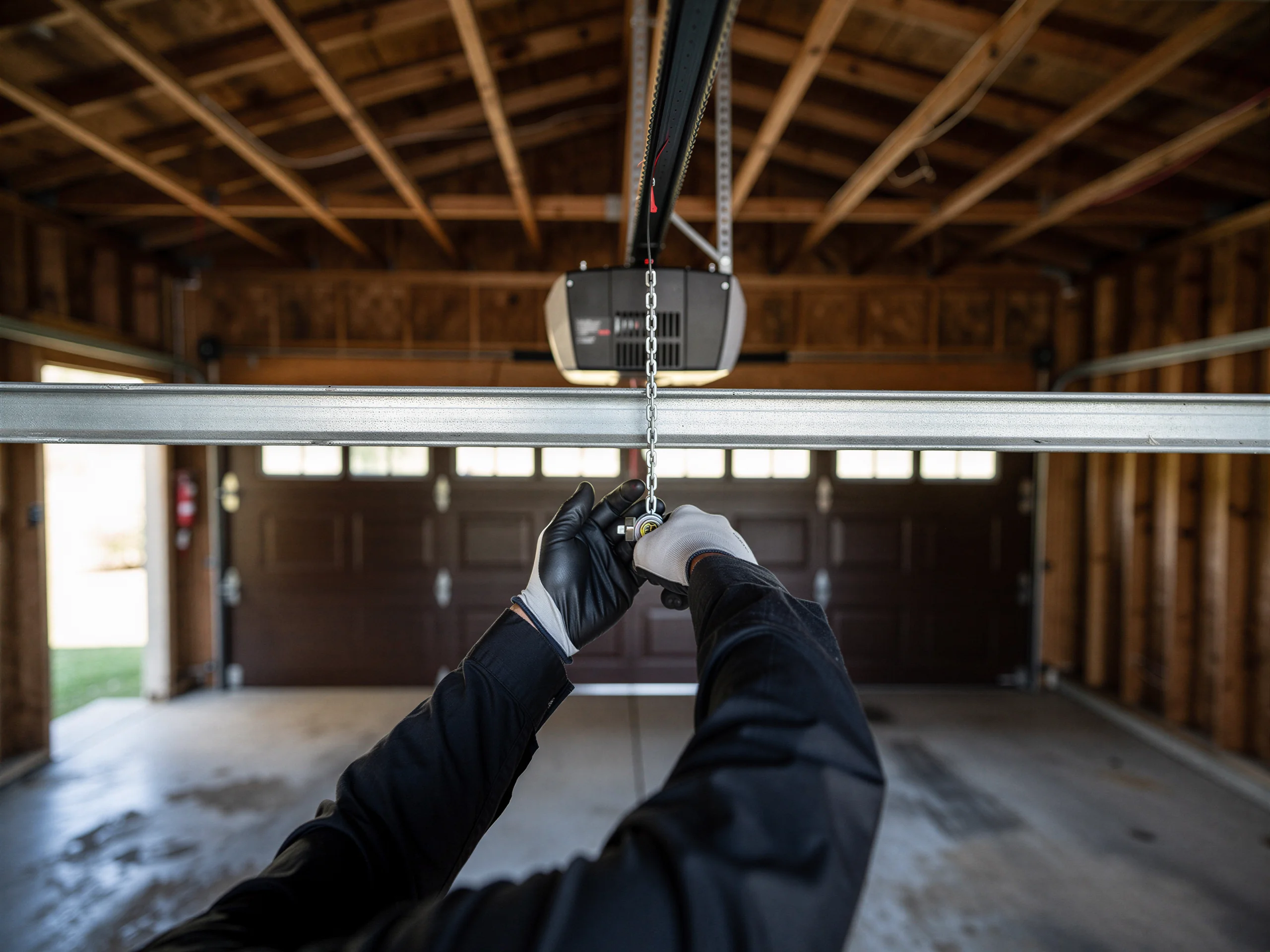
Opener Repair
Opener repair for Graniteville's 1960s-era homes, covered from Aiken five miles up the road. Learn more →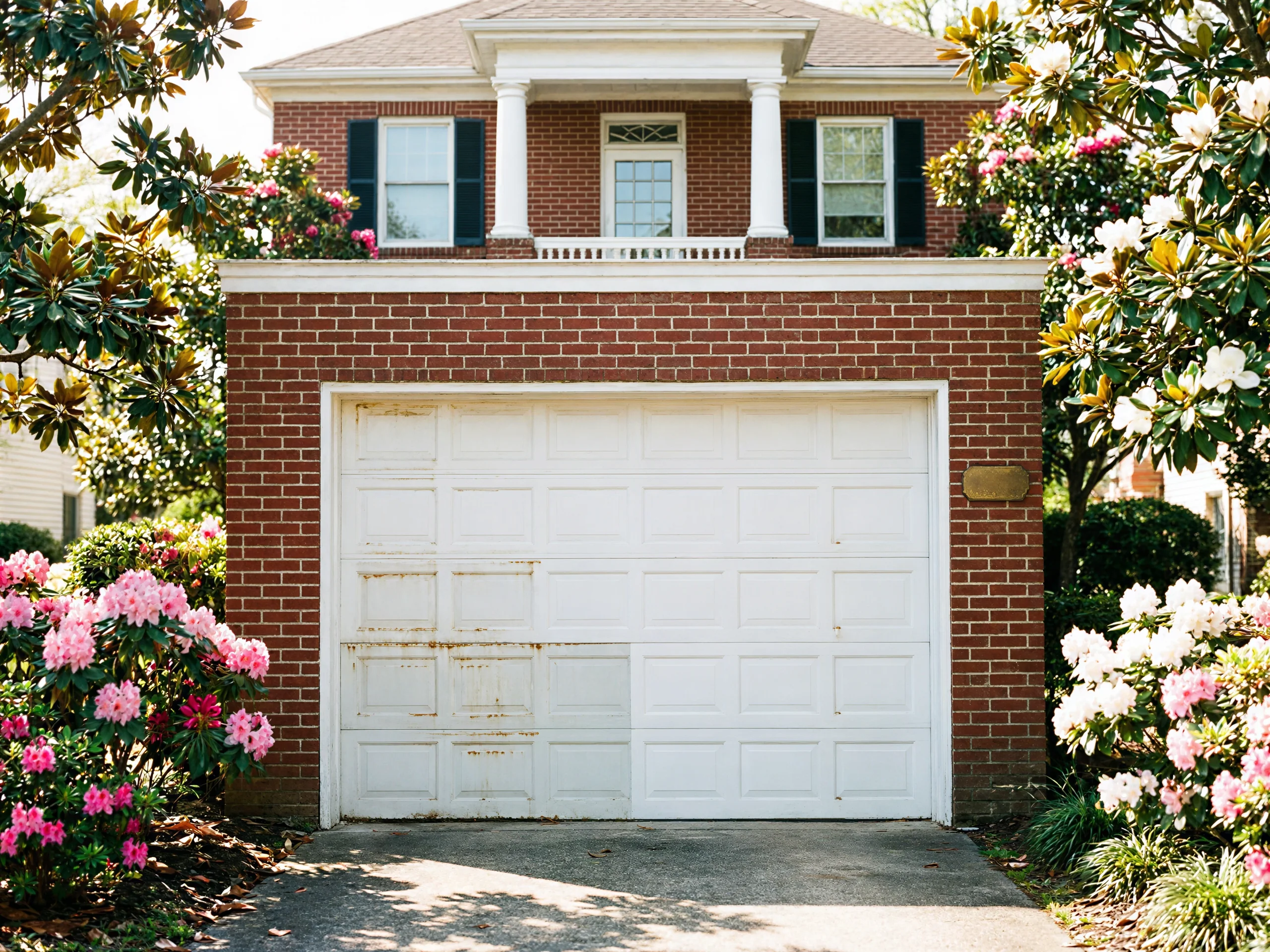
Panel Replacement
Graniteville homes mostly date to 1966, which means narrower panel widths and discontinued track hardware. Learn more →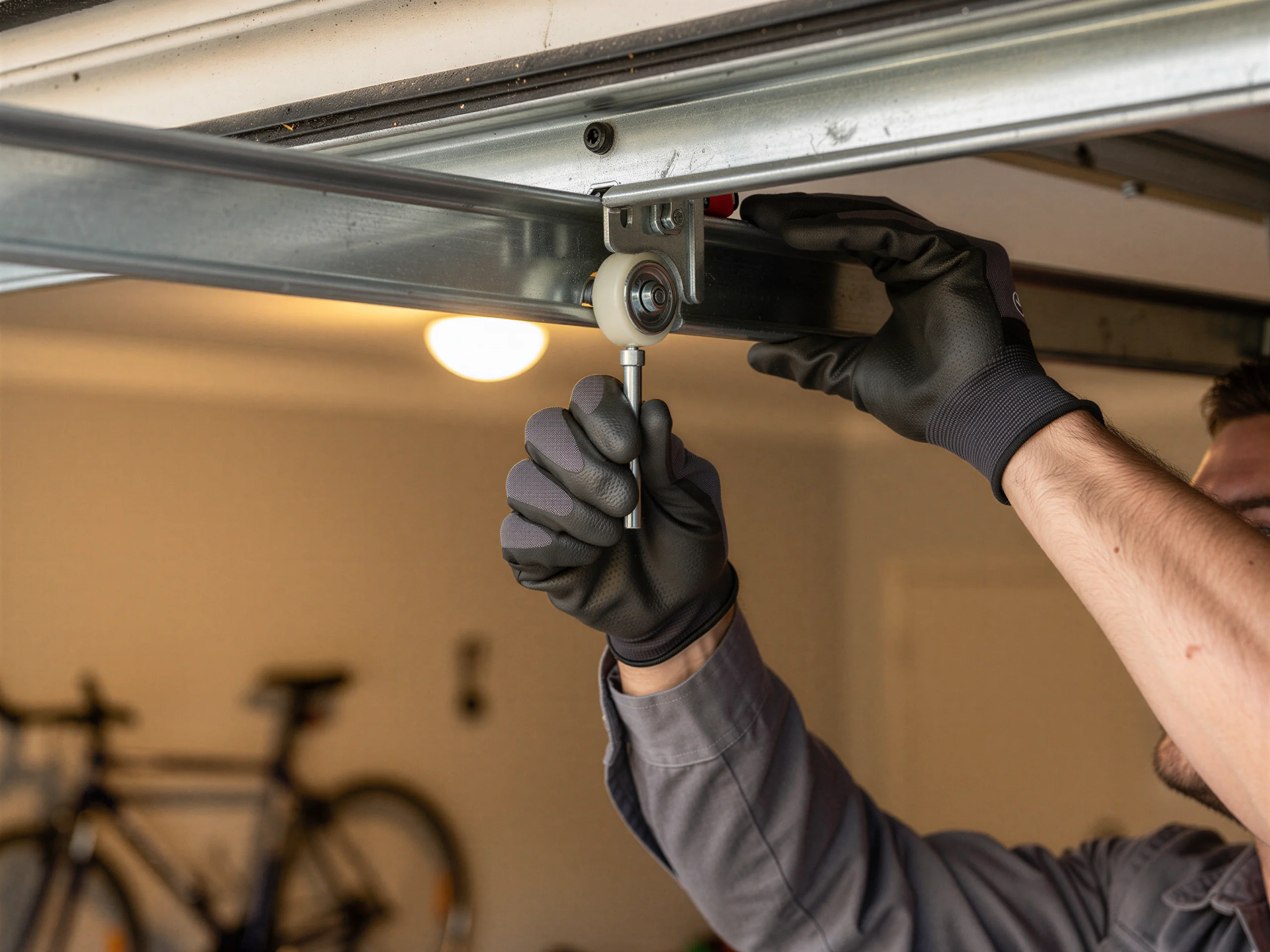
Roller Replacement
Graniteville homes median $29,495 income and built around 1966 change the math on roller replacement. Learn more →Ready when you are
Need a garage door sorted in Aiken?
Aiken Garage Door Pros repairs and installs garage doors, springs and openers in Aiken, SC and the surrounding area.