
Blog
Why Aiken's Older Openers Fail When the Power Hiccups
Most Aiken houses got their garage door opener installed decades after the house itself. Here's why that gap causes trouble when the power blinks.
What Most People Get Wrong
The common mistake around here is treating the opener like it's part of the house. It isn't. Homes in this area were mostly built between 1957 and 1989, with the typical house dating to around 1974 - but the chain-drive or belt-drive opener bolted to the ceiling is almost never original equipment. It's a replacement, often the third or fourth one that unit has seen, and it was wired into a garage that was never built with a dedicated circuit in mind.
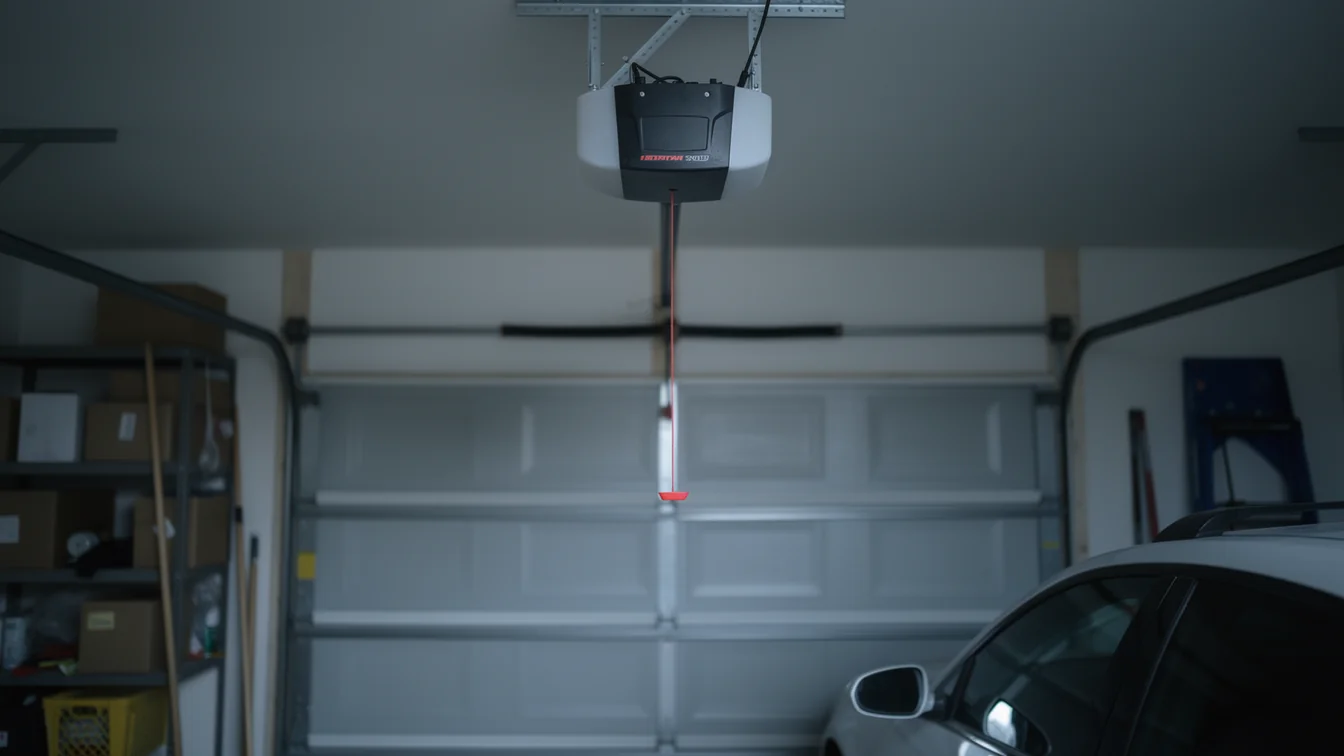
That mismatch matters. People assume a power blip is harmless because "the door still works once the lights come back on." Sometimes it does. But on a lot of these older houses, the outlet the opener runs from is shared with something else on the same breaker, and a hard power cut resets the opener's logic board without resetting the wall switch. The door looks dead. It isn't broken - it just needs the unit unplugged and replugged, or the learn button pressed again. That's a five-minute fix that a lot of homeowners pay a truck call for because nobody told them it's the usual failure point, not a sign the opener is dying.
The real issue isn't the opener's age. It's that the wiring and the opener were never matched to begin with.
When It Stops Being a DIY Job
Resetting a tripped opener after a power cut is something you can do yourself. Replacing the opener itself on a house this old usually is not, and here's why: once you're past the plug-and-reset stage, you're often dealing with a bracket and header mount sized for a unit that hasn't been manufactured in years. Houses built in the 1960s and 70s across this area weren't framed with a modern opener's mounting pattern in mind.
The other line is the manual disconnect. If the power cut happens while the door is down and you need the car out, pulling the red release cord is fine - that's what it's for. What's not fine is forcing the door on the track afterward if it doesn't move freely, because on a lot of these older setups the spring tension was already marginal before the outage. A power cut doesn't break a spring. But it's often the moment people discover the spring was already close to its limit, because they're hand-cranking a door that used to glide.
If you've reset the unit, checked the breaker, and the door still won't respond, that's the point to call rather than keep testing it.
The Situation
The area this covers runs through Gloverville, Graniteville, and New Ellenton, all within about 5 to 8 miles, out to Burnettown and Clearwater a bit further, and as far as Belvedere, North Augusta, Jackson, Trenton, and Williston on the edges of the service radius. Across those ten communities there are roughly 20,921 households, and about 11,577 of those are owner-occupied houses - the kind of housing stock where a garage door opener is a homeowner's problem, not a landlord's.
Median household income across the service area sits at $51,180. That number matters here for one practical reason: it's the gap between replacing an opener outright versus getting the old one through another few years. A lot of calls in this income range are about getting a straight answer on whether a unit is worth fixing or not, rather than defaulting to replacement. We tell people the truth either way.
One limitation worth stating plainly: if your opener's logic board is fried and the model is old enough that the manufacturer doesn't stock replacement boards anymore, we can't source a part that doesn't exist. At that point a new opener is the honest recommendation, not an upsell.
What the Weather Here Does to It
This area sits in a mild climate band with occasional freeze, not the deep-freeze conditions that crack hardware outright. That's good news for springs and cables, which don't see the brutal temperature swings that shorten their life elsewhere. But it means something specific for openers and power: freezing nights here are irregular rather than constant, which is exactly the pattern that causes ice to form on door tracks and weatherstripping on one cold night and then melt off by noon the next day.
That freeze-thaw cycle, repeated unpredictably through a Aiken winter, is rougher on seals and sensor alignment than a steady cold snap would be. A photo-eye sensor nudged half a degree out of alignment by a frozen puddle refreezing against its bracket won't throw an error code - it'll just make the door reverse at random, which looks like an opener problem but isn't one.
Power cuts tend to cluster around the same weather that causes the freeze-thaw swings in the first place. So the two problems - a reset opener and a misaligned sensor - often show up on the same week, and it's worth checking both before assuming you need a new unit.
Questions
Common questions
Why won't my garage door opener respond after the power came back on?
On a lot of the older opener units common in this area, a hard power cut resets the logic board without resetting the wall control. Unplug the opener unit itself for about 10 seconds, plug it back in, and try the remote again. If it still won't respond, check the breaker before assuming the opener failed.
Does a short power outage damage the opener?
Usually not. A brief outage just trips the unit into a reset state - it doesn't harm the motor or the logic board. Repeated outages on a shared, overloaded circuit over years can shorten an opener's life, but a single power cut isn't typically what kills a unit.
My door reverses on its own sometimes in winter - is that the opener?
Often it's the safety sensors, not the opener itself. In this climate, occasional overnight freezing followed by thaw can shift a sensor bracket just enough to throw off alignment. Check that both sensor eyes are level and facing each other before replacing anything.
Recommendation
You Might Also Like
More garage door guides for Aiken homeowners.
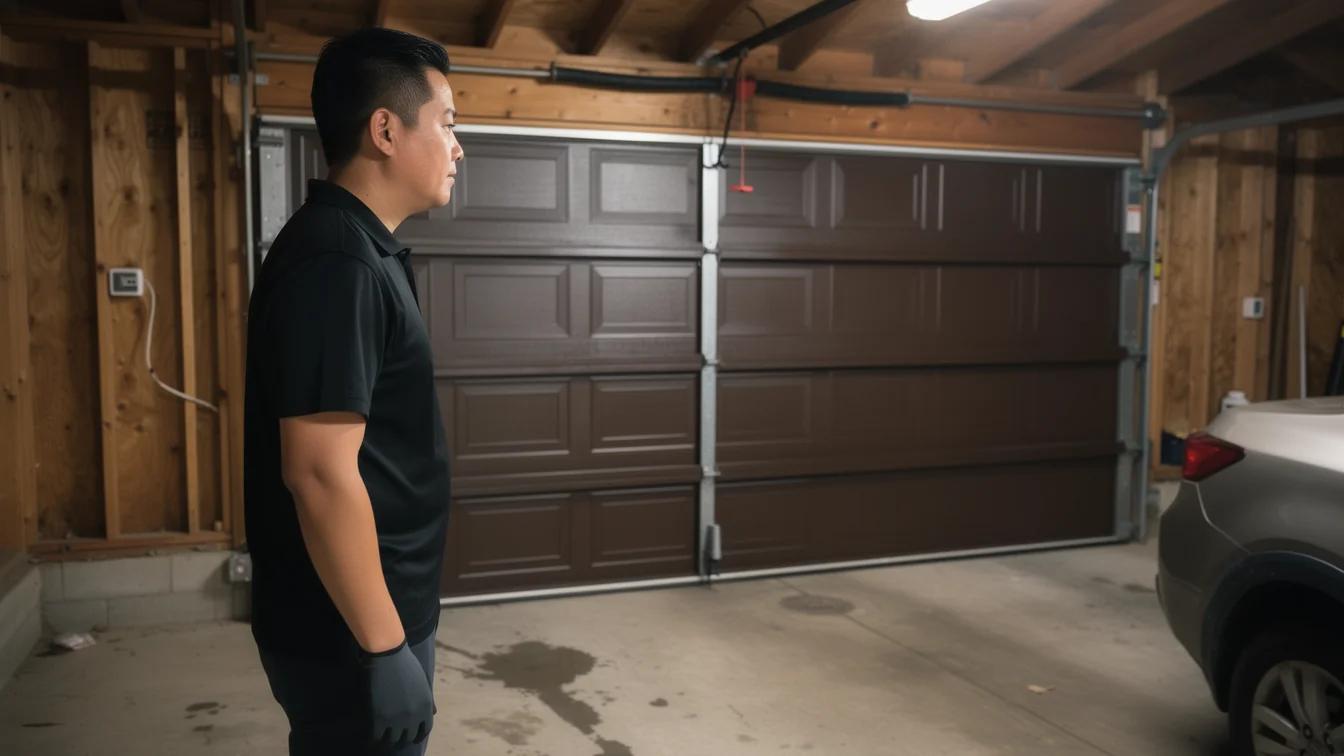
The Noises That Mean Something, House by House
Most Aiken houses were built between 1957 and 1989.
Read guide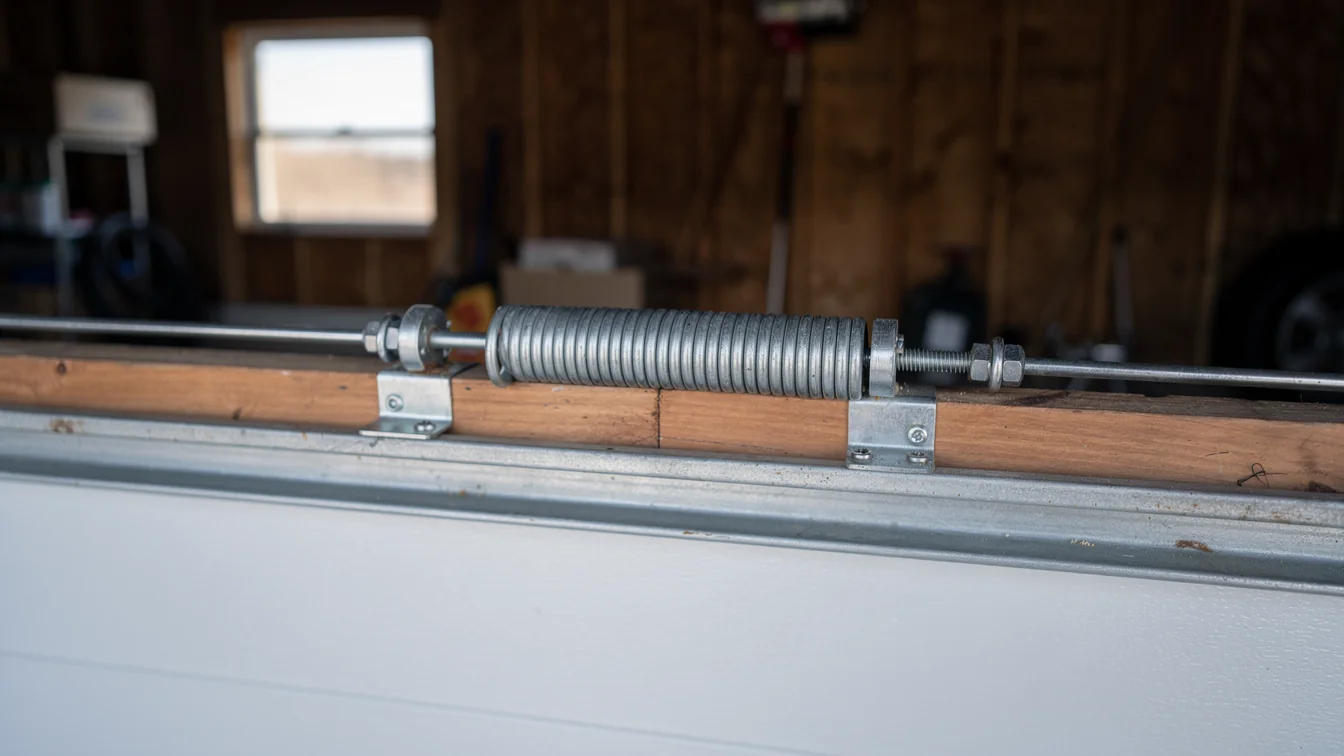
Why Aiken's Older Doors Need a Different Kind of Fix
Most Aiken homes date to the 1960s and 70s, built with original torsion hardware that wasn't sized for today's openers or cold-snap spring failures here.
Read guide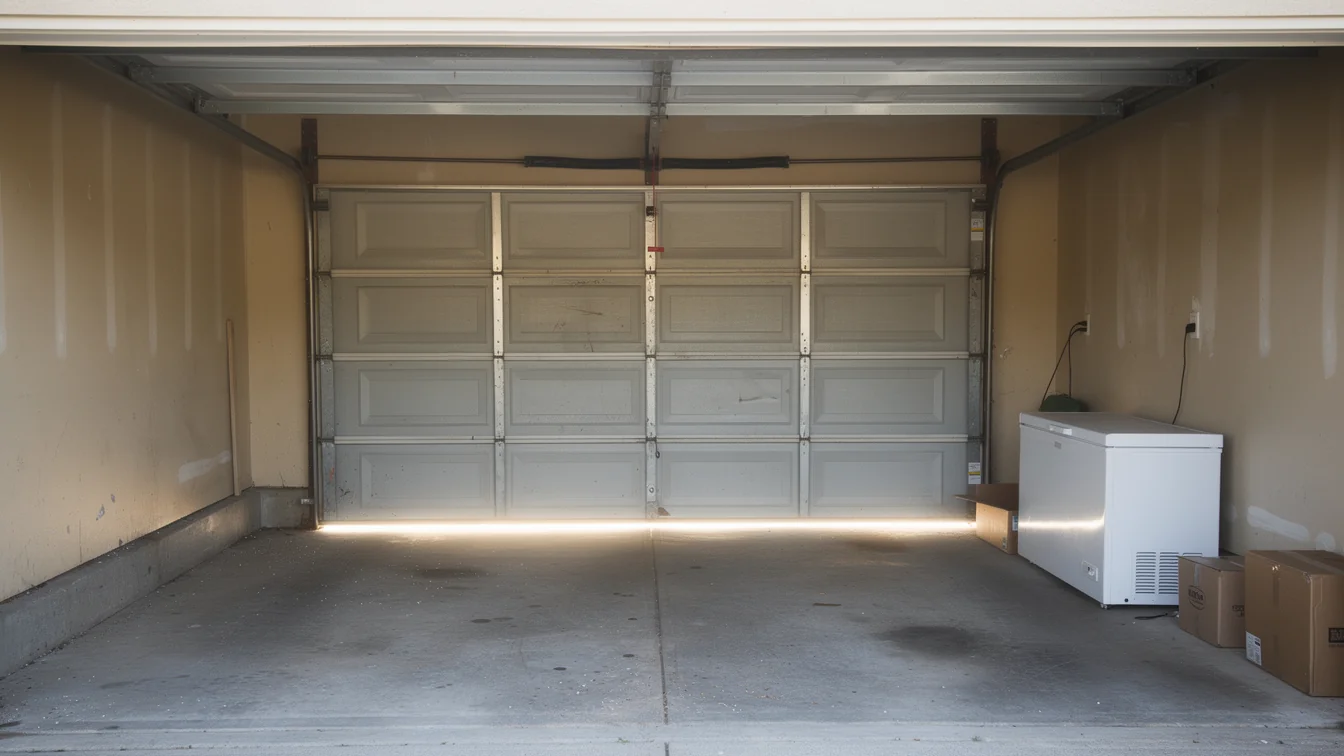
What Aiken's 1960s and 70s Housing Means for Your Garage Door
Aiken homes built between 1957 and 1989 often run original torsion hardware.
Read guideReady when you are
Need a garage door sorted in Aiken?
Aiken Garage Door Pros repairs and installs garage doors, springs and openers in Aiken, SC and the surrounding area.