Gloverville, Aiken
Panel Replacement for Gloverville's Late-1980s Garage Doors
Gloverville's garage doors mostly date to the late 1980s, not the 1960s-70s stock common elsewhere in the Aiken area. Panel matching works differently here. Here's what that means.
What Is on the Truck
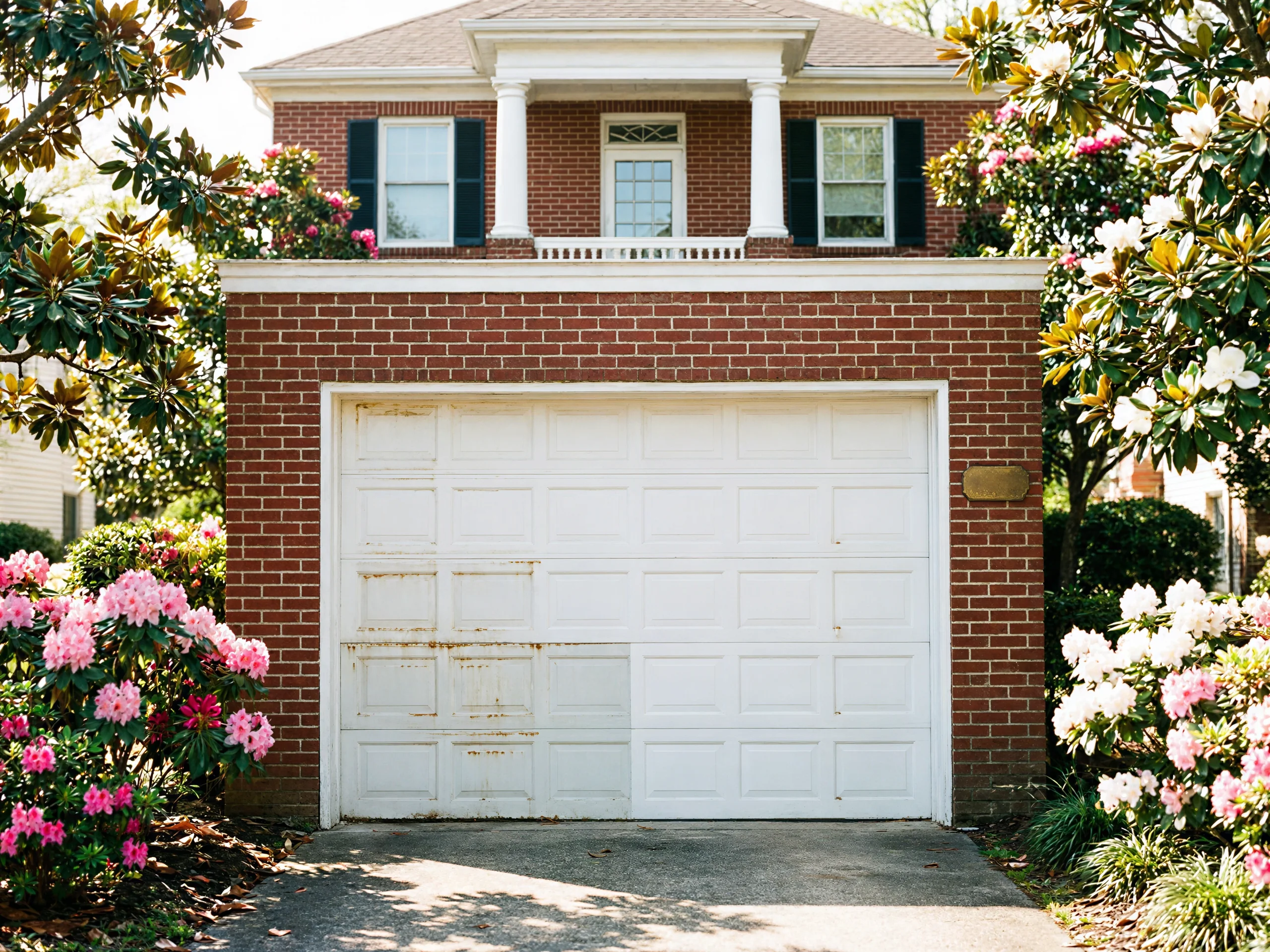
The fault we run into most in Gloverville isn't a bent panel from a backed-up car - it's a panel that's the wrong era for what's sitting next to it.
Embossed steel profiles
Housing here runs newer than a lot of the Aiken service area: the median build year across the wider territory sits around 1974, but Gloverville's own stock clusters closer to 1989. That matters for panel work because the embossed steel sections and factory color runs from the late 80s were already starting to phase out the flat, unribbed look of earlier doors.
Wide and narrow groove
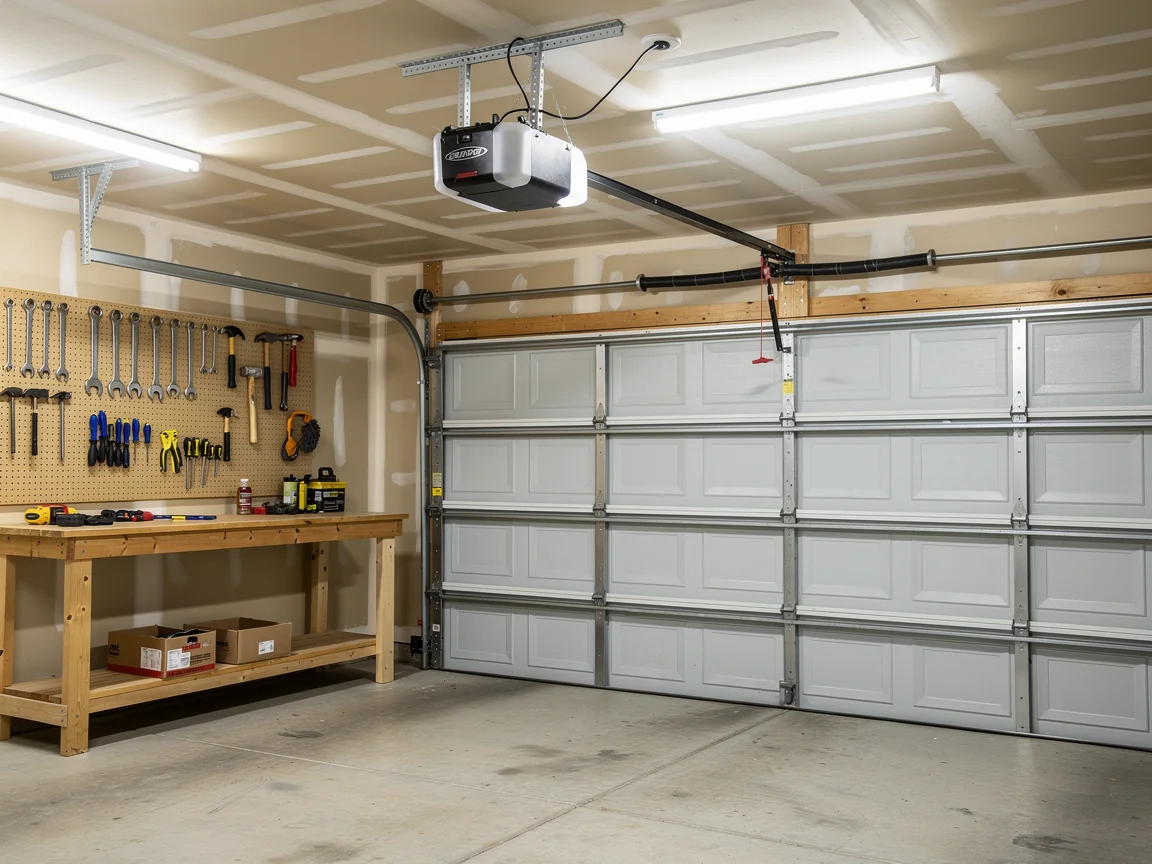
A single replacement panel ordered to match a 1989 door needs a different profile than one ordered for a 1960s door, and the two aren't interchangeable. So the truck carries both wide-groove and narrow-groove stock sections, plus a run of the woodgrain-embossed steel that was common on garage doors installed toward the end of that build wave.
Color matching limits
We also bring touch-up paint stock in a few of the colors that shipped on doors from that period, because an exact factory match on a 15-20 year old panel is rarely possible - what we're aiming for is close enough that it doesn't read as a patch from the street.
Where This Job Goes Sideways
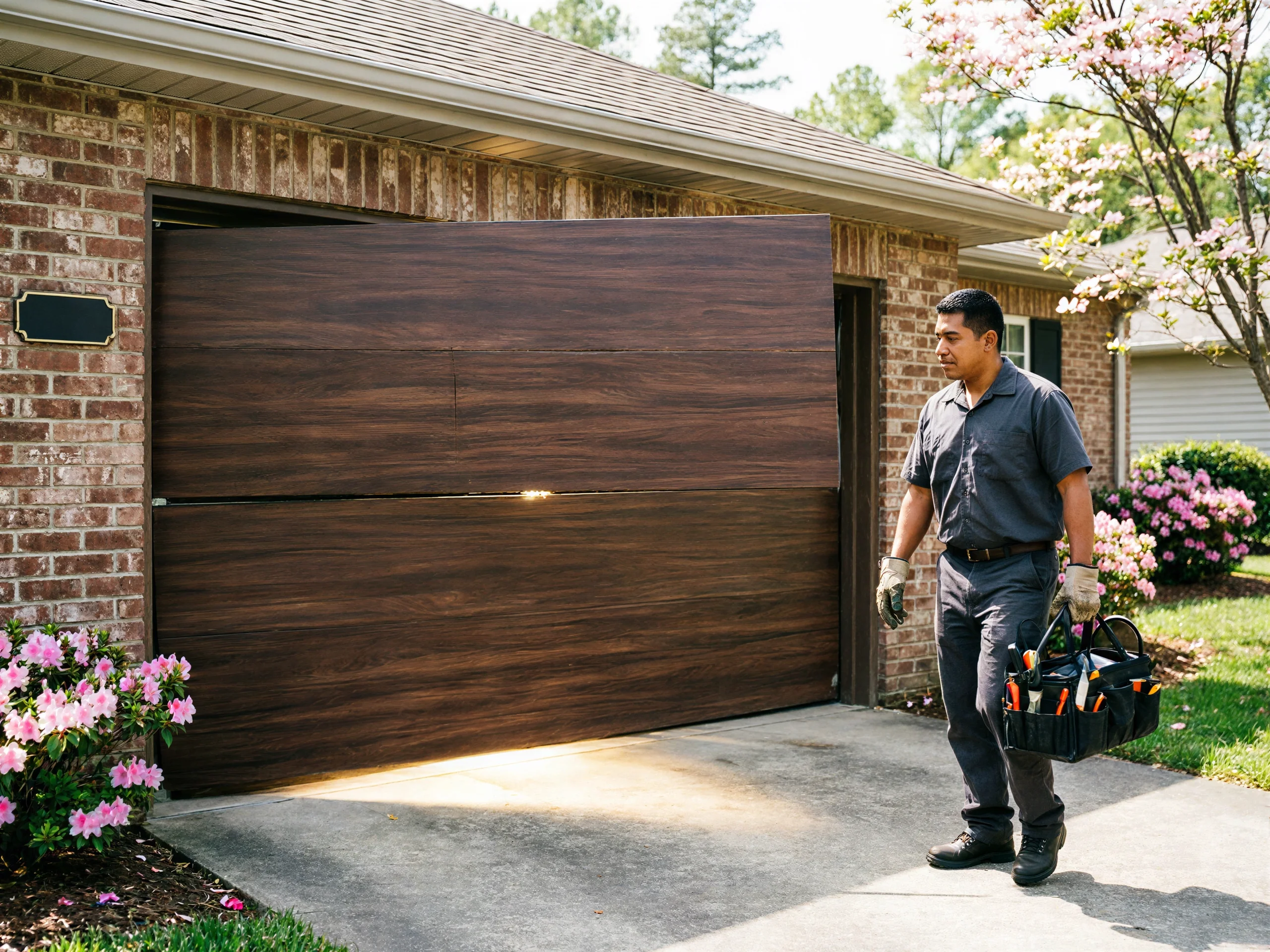
The job goes sideways when the door is old enough that the manufacturer has dropped the panel profile entirely, but not old enough that the owner expects that.
Rib spacing discontinued
A door built in 1989 doesn't feel ancient to the person who owns it - until we find out the specific rib spacing or window-insert pattern isn't made anymore and the whole section run has to come from a different line.
Foam-backed panel separation
The other way it goes sideways: foam-backed panels. Late-80s doors were some of the first in this area to ship with foam insulation bonded to the steel skin rather than a plain hollow panel.
Uneven flex after swap
If the foam has started to separate from the skin - which happens with age and with the area's freeze-thaw swings even though winters here are mild - a single-panel swap can still leave a door that flexes unevenly next to its older, un-insulated section. We'll tell you if that's what we're looking at before we order parts, not after.
How It Shows Up
Most calls start the same way: a car backed in wrong, a basketball, a kid on a bike, or just years of the bottom section taking the brunt of weather and use. What's specific to Gloverville is what the owner finds when they go looking for a replacement panel on their own first - a part number or color code that doesn't match anything a supplier stocks, because the door is from a production run near the end of a design cycle.
We also see cracked panels where the damage isn't the collision point itself but the seam a few inches away, where a foam-backed panel from this era has lost its bond to the steel and flexes instead of holding shape. That shows up as a panel that looks fine standing still but visibly bows when the door's halfway up or down.
What You Pay
We don't post a flat price here because panel cost depends entirely on whether we're matching a common profile or chasing down a discontinued one, and Gloverville skews toward the latter more than older sections of the service area do. What we can tell you is how we think about the decision: with median household income in this area around $51,691, a full-door replacement isn't the first move for most owners, and it usually isn't necessary. A single-panel or two-panel swap, even with a color that's close but not exact, costs a fraction of a new door.
Where it tips toward full replacement is when the discontinued panel can't be sourced at all, or when matching it would cost close to what a new door runs. We'll give you both numbers before you decide anything.
Can You Do This Yourself
Panel replacement on a sectional door is within reach for a handy homeowner if the hinges and hardware are in good shape and you're only swapping a section, not touching springs or cables.
Wrong panel size risk
Where people get into trouble is pulling the wrong panel size because the door's rib spacing doesn't match what's listed online, or because a late-80s foam-backed section needs different fasteners than an older hollow one.
Spring and cable work
The part we won't talk you into doing yourself is anything involving the torsion spring or the cables holding tension on a double door - that's not a panel job anymore, it's a different kind of job with a different kind of risk.
Measure height before ordering
If you're set on doing the panel swap solo, measure the section height and the hinge spacing before you order anything, and don't assume the color code on the box matches what's on your door.
Questions
Common questions
Will a new panel match the rest of my door exactly?
Not always. Doors from the late 1980s often used color runs and panel profiles that aren't made anymore. We match as close as current stock allows and use touch-up paint to blend the seam, but an exact factory match on an older door usually isn't possible.
How far out does Aiken Garage Door Pros come for a job in Gloverville?
Gloverville is about five miles from Aiken, where the company is based. There's no separate branch in Gloverville itself - the truck comes from Aiken for every job here.
Is it cheaper to replace one panel or the whole door?
A single-panel swap almost always costs less than a full door, unless the panel profile on your door has been discontinued and has to be special-ordered. We check availability before quoting so you're comparing real numbers, not guesses.
My door panel looks fine but flexes when it moves. What's that?
On foam-backed panels from the late 1980s, the foam can separate from the steel skin over time. The panel still looks straight at rest but bows under load. That's a sign the insulation bond has failed, not just cosmetic damage.
Explore more
More Services in Gloverville
Emergency Garage Door
Gloverville runs about 911 households, mostly built toward the late 1980s. Learn more →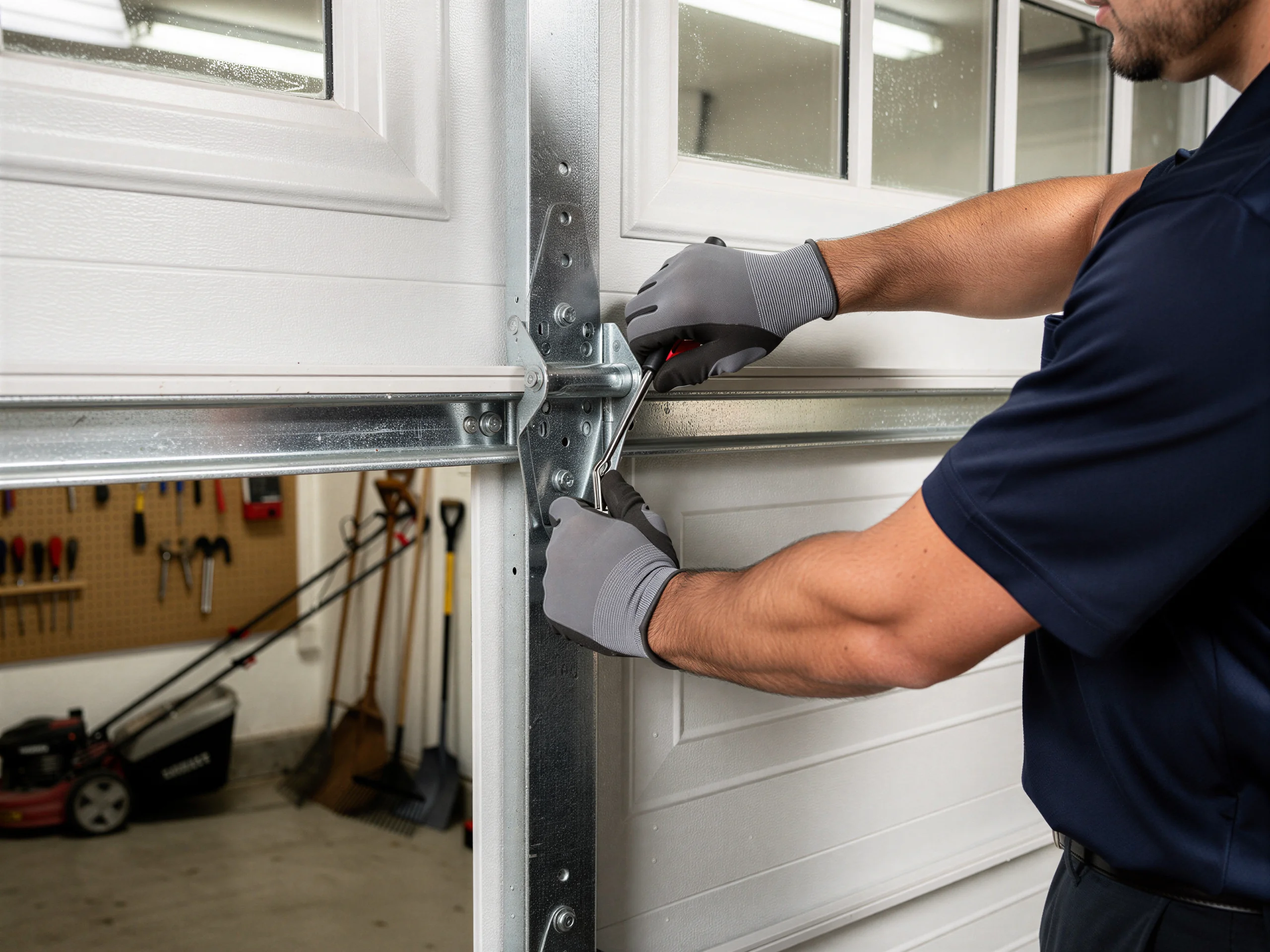
Garage Door Repair
Garage door repair for Gloverville, SC homes built mostly in the 1970s-80s. Learn more →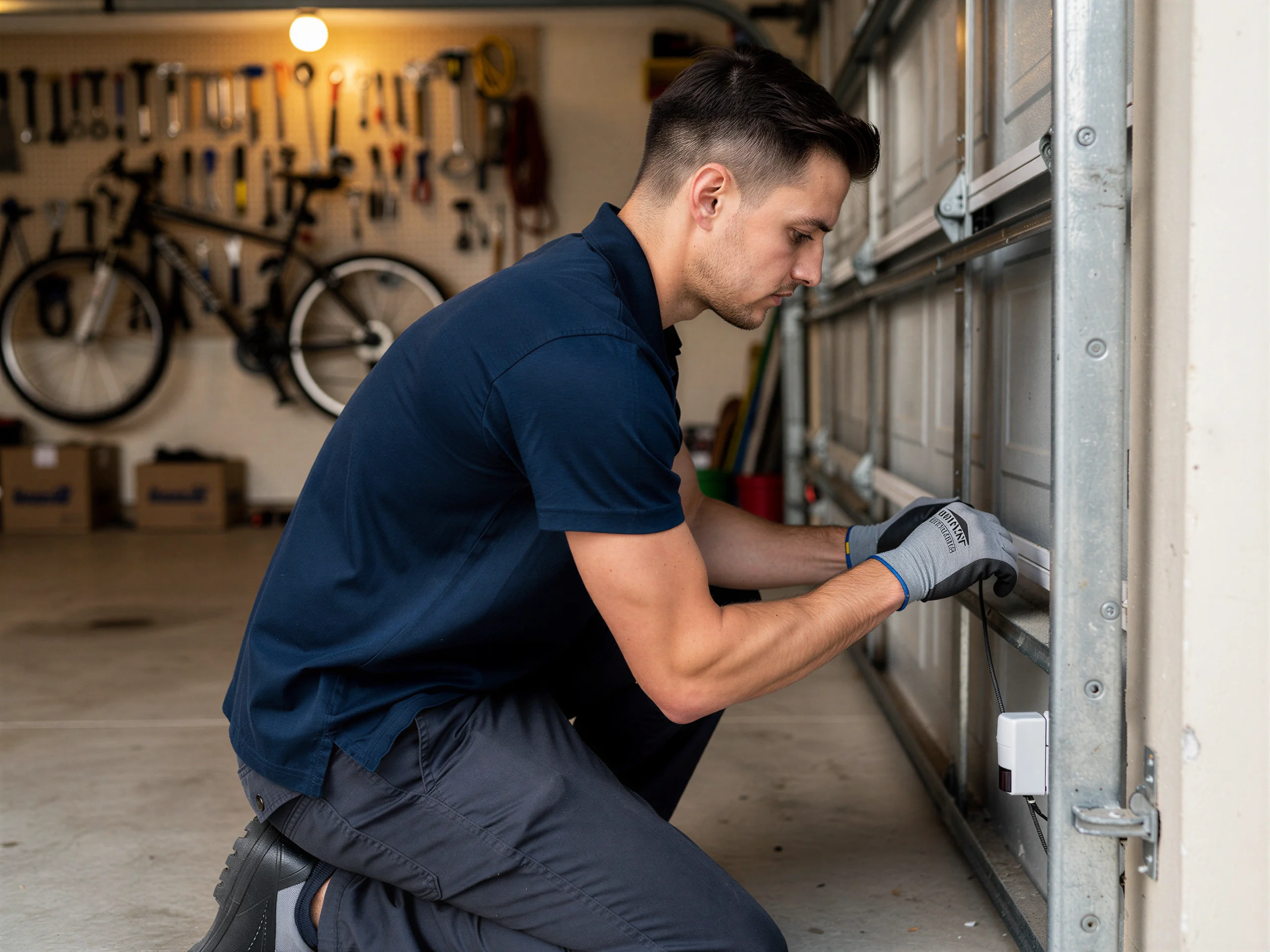
Garage Door Service
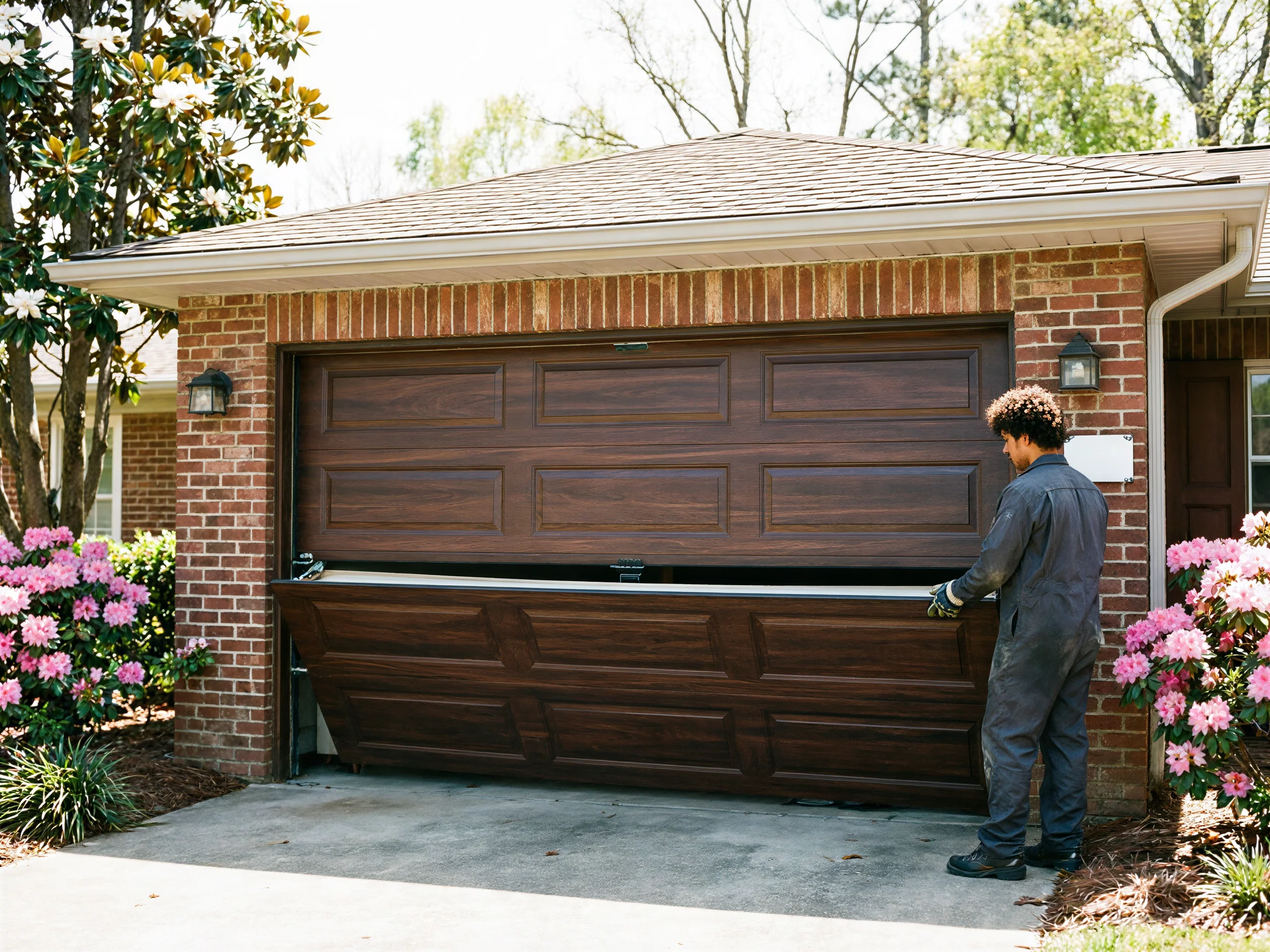
Gloverville homes mostly date to the late 1980s, later than much of the Aiken service area. Learn more →
New Door Installation
Gloverville homes mostly date to the late 1980s, later than much of the Aiken area. Learn more →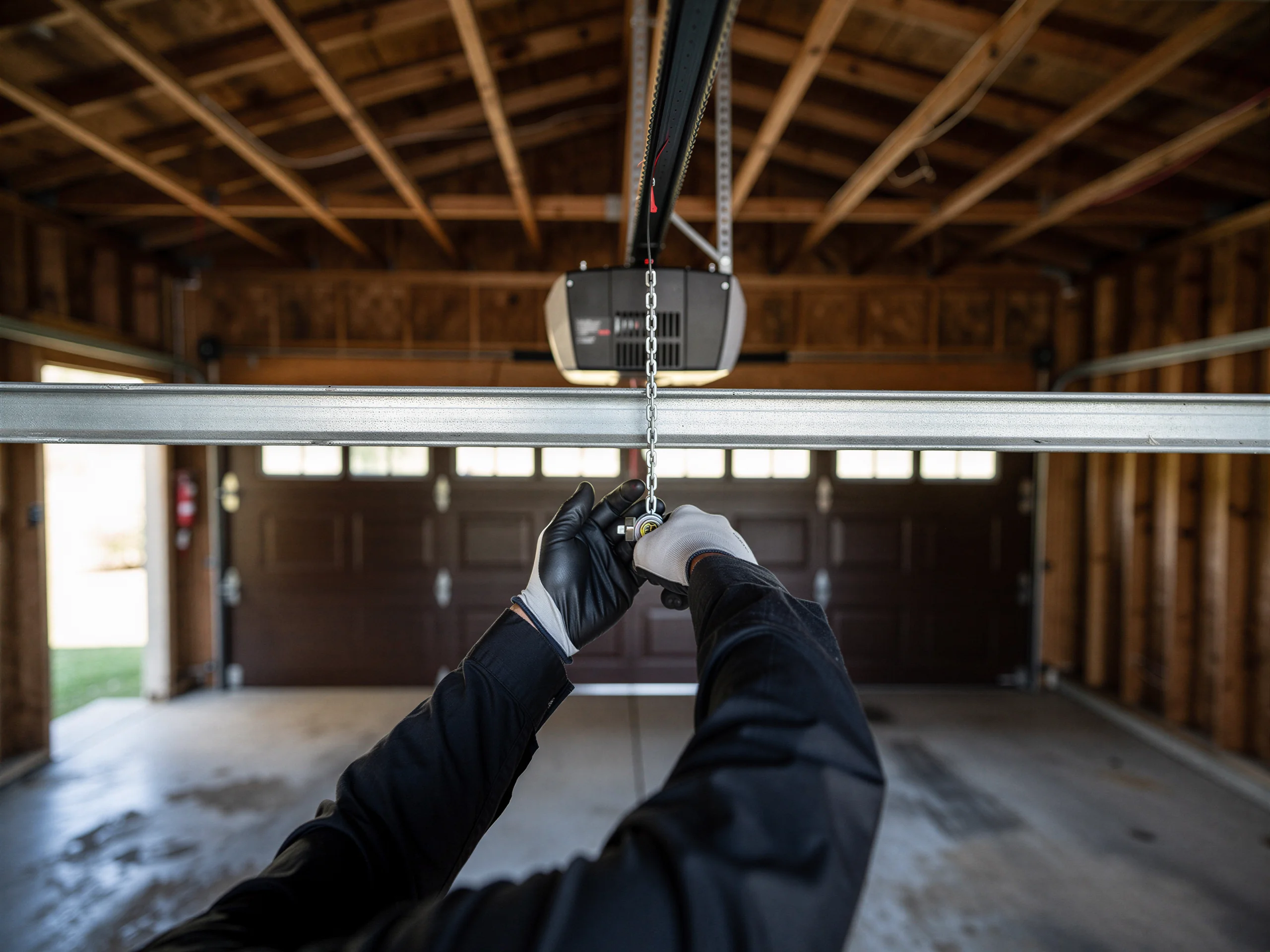
Opener Repair
Gloverville homes mostly date to the late 1980s, later than much of Aiken's stock. Learn more →
Roller Replacement
Gloverville homes run newer than most of the Aiken service area - median build year 1989. Learn more →Ready when you are
Need a garage door sorted in Aiken?
Aiken Garage Door Pros repairs and installs garage doors, springs and openers in Aiken, SC and the surrounding area.